
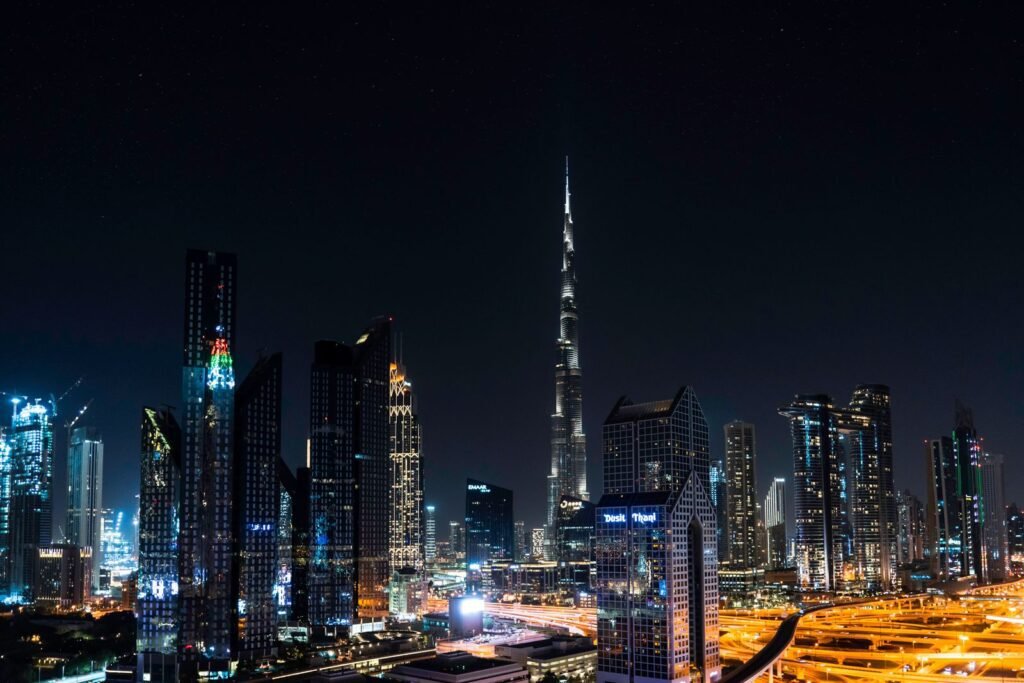
For nearly a decade, Dubai real estate investment was the default move for Pakistanis with money to place quietly outside the country. No questions asked at the point of sale, no capital gains tax, and a skyline that kept climbing in value. That pipeline is now running in reverse. A Gulf war that rattled the region this year has made Dubai look far less safe for undeclared money, and the funds already sitting there are being pulled out and redirected back into Pakistani property.
This isn’t a rumor or a market mood swing. It’s confirmed by builders’ associations and property dealers on the ground, and it’s already showing up in price data across Pakistani cities. Here’s what triggered the reversal, how large the flows are, and what it means if you’re watching the property market from Karachi, Lahore, or Islamabad.
Why Dubai Real Estate Investment Became Pakistan’s Favorite Escape Hatch
Dubai’s appeal for Pakistani investors was never a mystery. The emirate offered residency-linked property programs, no income or capital gains tax on real estate, minimal disclosure requirements, and a currency pegged to the dollar. For anyone holding undeclared or “black” money in Pakistan, buying an apartment or villa in Dubai was one of the simplest ways to move wealth out of reach of local tax authorities while still owning a tangible, appreciating asset.
Over the years this turned into a well-worn channel. All Pakistan Builders Association Chairman Hassan Bakhshi has publicly stated that roughly $60 million a month in undeclared money was flowing out of Pakistan into Dubai property at the peak of this trend, a figure that gives some sense of just how large this quiet channel had become.
What the Gulf War Changed
The regional conflict that escalated across the Gulf this year did something Pakistani regulators never managed on their own: it made Dubai feel risky. Missile strikes and military activity within reach of the UAE turned a safe-haven destination into a market where investors suddenly had to price in geopolitical risk, something that was simply never part of the calculation before.
According to Bakhshi, that monthly outflow of black money to Dubai “has now stopped.” Investors who were still weighing a purchase pulled back, and more importantly, people who already owned Dubai property started looking for an exit and a place to redeploy that capital.
The Reversal: Dubai Real Estate Investment From Pakistan Is Drying Up
What makes this moment different from a typical slowdown is the direction of the money. This isn’t just new investment pausing, it’s existing Dubai real estate investment unwinding and coming home. Funds that were parked in Dubai apartments and villas are being liquidated, converted, and brought back into Pakistan, largely because domestic property now looks like the more stable option relative to a conflict zone next door.
That’s a meaningful shift. Money that would have left the country each month is instead staying, and money that already left is partially returning. Both effects push in the same direction: more capital chasing property inside Pakistan.
Where Is the Money Going Instead?
Karachi has absorbed a visible share of this returning capital. Property dealer Karim Dad noted that beyond the city’s premium societies, other Karachi neighborhoods have seen prices climb 20-25% as buyers who would have looked at Dubai now shop locally instead. DHA Karachi in particular has seen a sharper jump, driven partly by its clean, transparent property titles, a factor we cover in detail in our DHA Karachi price surge report.
It isn’t limited to Karachi. Islamabad and Lahore are seeing similar interest from investors who previously treated Dubai as their first choice for parking money abroad. Established, well-documented societies with clear titles are the biggest beneficiaries, since they offer the same appeal Dubai once did: a real asset that holds value without excessive paperwork friction.
The Regulatory Angle
Pakistan’s real estate sector has been under increasing scrutiny over the past two years, with FBR tightening documentation requirements and the Competition Commission of Pakistan examining pricing practices in the sector. Our coverage of the CCP’s real estate hearing looked at how regulators are responding to exactly this kind of capital movement. A sudden surge in undeclared money flowing back into local property raises the same disclosure and documentation questions that pushed people toward Dubai in the first place, so this reversal is likely to draw regulatory attention rather than escape it.
What It Means If You’re Investing in Pakistani Property
If this trend holds, expect continued upward pressure on prices in the societies and neighborhoods with the cleanest titles and the strongest transparency track record, since that’s exactly what returning Dubai investors are prioritizing. Areas with unresolved ownership disputes or weak documentation are less likely to benefit, because the whole point of this shift is investors seeking the same clarity Dubai used to offer.
For genuine, documented buyers, this is a market worth watching closely rather than chasing blindly. A price increase driven by a one-time geopolitical shock in undeclared capital flows is a different animal from demand driven by population growth or income gains, and it can just as easily slow down if the regional situation stabilizes.
Reasons to Stay Cautious
- Price gains concentrated in a short window driven by capital flight are more volatile than gains built on organic demand.
- Increased regulatory attention on undeclared money re-entering the property sector could bring new documentation or tax requirements.
- If the Gulf war de-escalates, some of this capital could just as easily flow back toward Dubai.
- Areas seeing the sharpest price jumps may already be pricing in this shift, reducing the margin for new buyers.
The Bottom Line
Dubai real estate investment from Pakistan built up over a decade on the back of easy documentation, no capital gains tax, and distance from local scrutiny. A regional war has now punctured that appeal, and both the pause in new outflows and the return of existing capital are landing in Pakistani property markets, especially in cities and societies known for clean titles. Whether this becomes a lasting shift in how Pakistanis invest their money, or a temporary reroute that reverses once the region calms down, is the question worth watching over the next few quarters.
Frequently Asked Questions
Why did Pakistanis invest so heavily in Dubai real estate?
Dubai offered no capital gains tax, minimal disclosure requirements, residency-linked property programs, and a dollar-pegged currency, making it an easy way to hold wealth outside Pakistan, including undeclared money that avoided local scrutiny.
How much money used to flow from Pakistan to Dubai property?
According to All Pakistan Builders Association Chairman Hassan Bakhshi, roughly $60 million a month in undeclared money was flowing from Pakistan into Dubai real estate before the Gulf war disrupted the channel.
Is buying property in Pakistan with this returning money legal?
Buying property in Pakistan is legal for anyone. The concern regulators have is with the source of some of the funds being redirected, since undeclared money re-entering the formal economy without proper documentation can raise tax and disclosure issues even though the property purchase itself is a legitimate transaction.
Related Reading
- DHA Karachi: The Shocking 60% Price Surge as Dubai Money Comes Home
- CCP Real Estate Hearing: What It Means for Pakistani Property Buyers
- CDA Islamabad: The Ultimate Guide to a Critical 2026 Condominium Law
Source: Dawn.com, “Dubai property no longer safe haven,” Shahid Iqbal.
Leave a Reply