
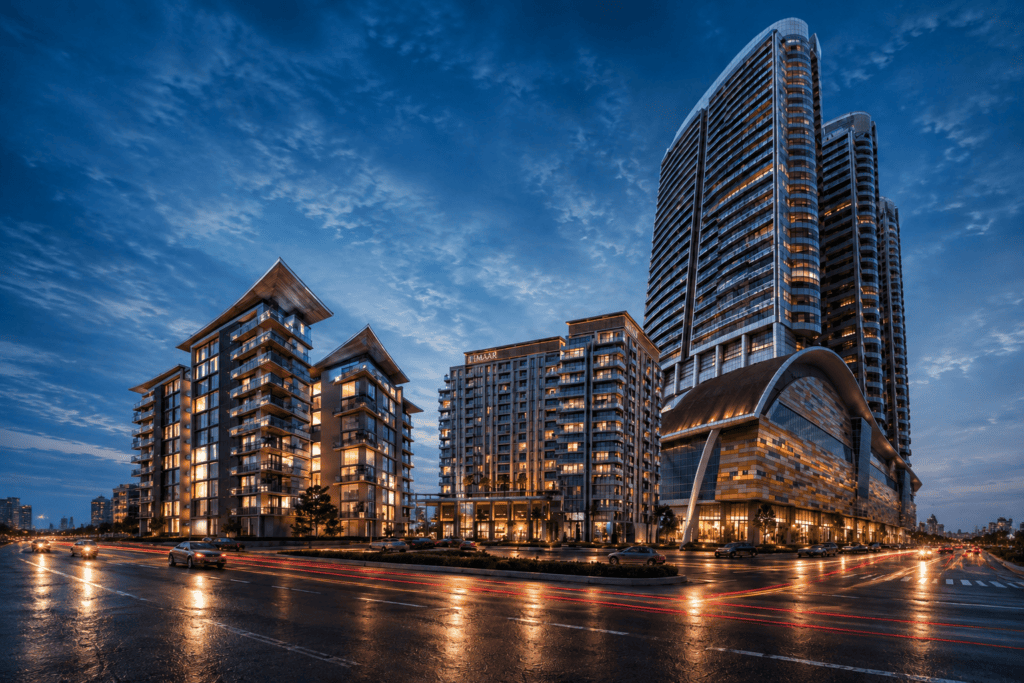
For decades, buying an apartment in Islamabad meant one thing everyone quietly accepted: you never really owned it. You held an allotment letter, maybe a builder’s agreement, and a lot of hope that the roof, the lifts, and the parking lot would stay maintained. That is finally changing, and CDA Islamabad is now at the center of it.
The Ministry of Housing and Works has formally brought the Capital Development Authority into drafting rules for the Islamabad Capital Territory Condominium (Ownership and Management) Bill 2026 — legislation that has been needed since apartment living took off in the capital, and one that directly affects anyone who owns, rents, or is thinking about buying a flat in the city.
What Just Happened
The Ministry of Housing and Works has involved CDA Islamabad in finalising the condominium law and its rules, since apartment buildings are scattered across the city and CDA is the main regulatory stakeholder for how they get built, approved, and maintained. The bill has been moving through the National Assembly, more than two decades after the 2005 earthquake first exposed how poorly Pakistan’s property laws handled multi-unit buildings.
Once passed, the law will recognise individual apartment units as separate, independently owned immovable property, backed by a formal Deed of Ownership rather than the allotment letters and builder agreements that buyers have relied on until now.
Why Islamabad Needed a Condominium Law
Pakistan’s traditional property laws were written for houses and plots, not high-rise apartment towers. That gap created three recurring problems for apartment buyers in Islamabad:
- Weak ownership proof. Most buyers received only an allotment letter or an agreement to sell, not an independent title deed.
- Murky common areas. Lifts, rooftops, parking, and shared utilities had no clear legal owner or maintenance framework.
- Ownership tied to the developer. Because the building sat on a CDA lease held by the developer, buyers’ rights were only as strong as the developer’s standing with CDA.
Only Sindh had a working condominium law (the Sindh Apartment and Condominium Ownership Act, 2014). Punjab’s version was still in draft. Islamabad had nothing formal at all — until CDA Islamabad was brought in to help draft this bill.
What the Condominium Bill Actually Covers
Based on how the Ministry and CDA Islamabad have described the scope, the law is expected to cover four main areas:
- Individual ownership titles for each apartment unit, separate from the land and the developer.
- Owners’ associations that give residents a formal, legally recognised say in how the building is run.
- Maintenance and shared-fund rules covering lifts, security, common areas, and building upkeep.
- Dispute resolution mechanisms for conflicts between owners, developers, and management companies.
This mirrors how condominium ownership already works in most major cities worldwide: you own your unit outright, and you co-own a share of the building’s common areas alongside every other owner.
How This Changes Apartment Ownership in Islamabad
The practical shift is significant. Right now, if a developer runs into financial or legal trouble, buyers in that project can find their ownership status caught up in the mess, even if they paid in full years ago. A proper condominium law changes that by making the apartment itself the legal unit of ownership, not a claim routed through the developer’s lease.
It also gives residents a real mechanism — the owners’ association — to enforce maintenance standards, manage service charges transparently, and resolve disputes without relying entirely on the goodwill of a management company appointed by the builder.

What It Means If You Already Own an Apartment
If you already own a flat in an Islamabad high-rise, this law is good news, but it isn’t automatic. Once the rules are notified, existing owners will likely need to formalise their unit under the new Deed of Ownership system, which may mean submitting your existing allotment letter or sale agreement for conversion. It’s worth keeping your original purchase documents, payment receipts, and any correspondence with the developer organised now, so the process is straightforward when it opens.
If you’re part of a building without an active residents’ or owners’ association, this is also a good time to help start one — associations formed early tend to have an easier path once CDA Islamabad and the Ministry formally recognise them under the new rules.
What It Means If You’re Planning to Buy
For buyers still weighing whether an apartment is the best investment for their money, this development removes one of the biggest hesitations people have had about Islamabad’s apartment market: unclear title. A functioning condominium law makes apartments a more comparable asset class to houses and plots, backed by a real deed rather than a paper trail that depends on the developer staying solvent.
That said, the law hasn’t been notified yet, so due diligence still matters just as much as before. If you’re comparing options, it’s worth reading how plots compare to constructed houses as an investment, and looking at recently launched projects like the IMARAT Signature Apartments to see how developers are already positioning units ahead of the new rules.
Reasons to Stay Cautious
A few things are worth keeping in perspective before treating the CDA Islamabad condominium push as a done deal:
- It’s still a bill. The legislation needs to clear the National Assembly and then have its rules formally notified before it takes legal effect.
- Implementation takes time. Even after passage, converting existing allotments into deeds across hundreds of buildings will not happen overnight.
- CDA-approved status still matters. A condominium law does not fix issues with projects built on land without proper CDA approval — buyers should keep checking a project’s regulatory status independently, the same way disputes like the Bahria Town CDA notice showed how much regulatory approval matters.
The Bottom Line
CDA Islamabad stepping into this process is one of the more consequential real estate developments in the capital this year. If the Condominium Bill 2026 becomes law, apartment ownership in Islamabad moves from a grey area to a properly documented, legally protected asset class — which is exactly the kind of clarity that has been missing for buyers weighing property against gold, stocks, or crypto as their next move.
Until the rules are formally notified, keep your paperwork in order, verify CDA approval status independently, and treat this as a strong tailwind for Islamabad apartments rather than an overnight fix.
Frequently Asked Questions
Is the CDA Islamabad condominium law already in effect?
Not yet. The Islamabad Capital Territory Condominium (Ownership and Management) Bill 2026 is still moving through the National Assembly, and CDA Islamabad is helping finalise the accompanying rules. It needs to pass and then be formally notified before it becomes enforceable law.
Will existing apartment owners get a new ownership deed automatically?
Most likely not automatically. Once the rules are notified, owners will probably need to apply to convert their existing allotment letter or sale agreement into a formal Deed of Ownership, so keeping your original documents organised now will save time later.
Does this law cover buildings outside CDA’s direct jurisdiction?
The bill is specific to the Islamabad Capital Territory, so it applies to apartment buildings within CDA Islamabad’s jurisdiction. Buyers looking at projects outside ICT limits should confirm which regulatory authority and property laws apply to that specific development.
Related Reading
- Best Investment in Pakistan: Gold, Real Estate, Stocks or Crypto?
- Plot vs Constructed House: Which Is the Better Investment in Pakistan?
- IMARAT Signature Apartments by HSY Home
- IMARAT Hospitality Tower: Islamabad Expressway
Source: Dawn.com – Ministry involves CDA in formulating rules for Islamabad’s apartment buildings
Leave a Reply