
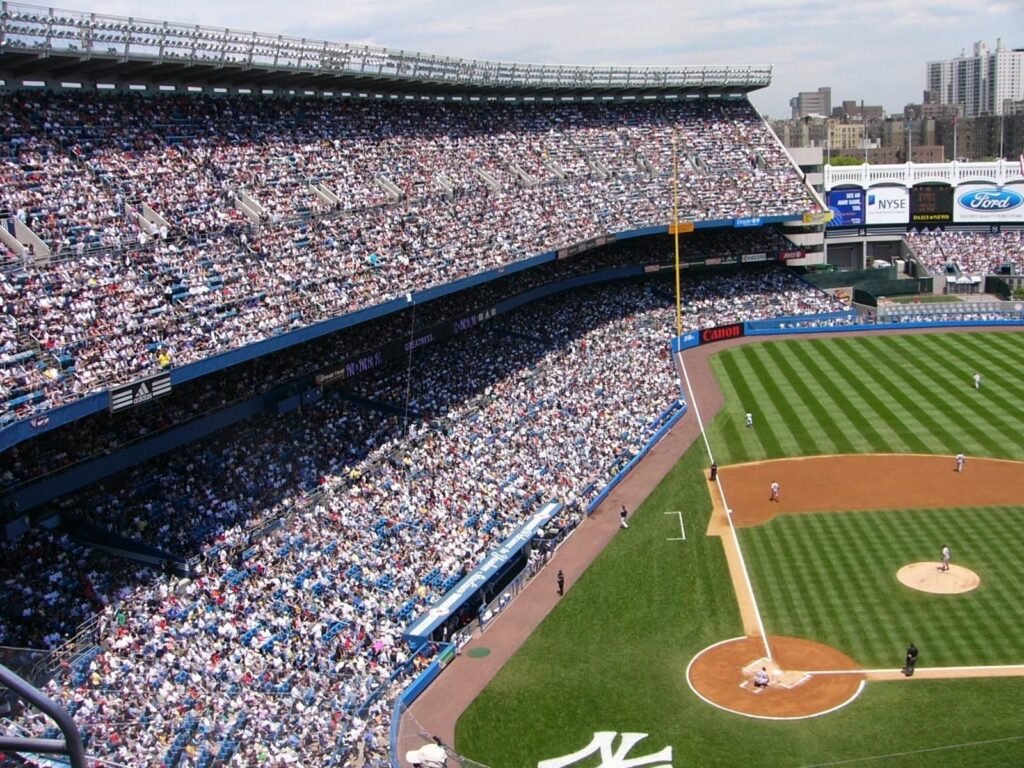
LA Angels sale price just reset the ceiling for what a Major League Baseball franchise is worth. Rams owner Stan Kroenke has agreed to buy the Los Angeles Angels from longtime owner Arte Moreno for a reported $4 billion, the highest amount ever paid for an MLB team. The deal, expected to close in early 2027, caps a summer that already saw the Lakers, Trail Blazers and Seahawks change hands. For anyone weighing the best investment in sports franchise ownership right now, this deal is one of 2026’s clearest signals of where that money is actually going.
LA Angels Sale Price: What Just Happened
Kroenke, who already owns the NFL’s Los Angeles Rams, the NHL’s Colorado Avalanche and English football’s Arsenal, has agreed terms to buy the Angels from Moreno, who has owned the team since 2003. The reported $4 billion price surpasses the San Diego Padres’ $3.9 billion sale earlier in 2026, which had itself been the previous MLB record.
- Buyer: Stan Kroenke, through Kroenke Sports & Entertainment
- Seller: Arte Moreno, Angels owner since 2003
- Reported price: $4 billion
- Expected closing: early 2027
- Previous MLB record: San Diego Padres at $3.9 billion (2026)
Forbes had valued the Angels at just $2.8 billion in March 2026. That means the final sale price came in roughly 43% above Forbes’ own estimate from only six months earlier, which tells you how quickly bidding can move once a marquee franchise is actually on the table.
Why the LA Angels Sale Price Broke MLB’s Record
The Angels deal didn’t happen in isolation. It’s the fourth major North American sports ownership change this year, following the Lakers’ sale at $12.5 billion, the Trail Blazers’ change of control, and the Seahawks’ ownership transition. Together they point to the same trend we broke down in Why Billionaires Buy Sports Teams: a small pool of ultra-wealthy buyers is willing to pay historic premiums for teams in large media markets, treating franchises as a hedge against inflation and AI-era market swings rather than just trophy assets.
Los Angeles itself is part of the story. The Angels play in Anaheim but sit inside America’s second-largest media market, and MLB’s national and local broadcast deals have both grown since Moreno bought the team for roughly $184 million in 2003. Twenty-three years later, that stake is selling for more than 21 times what Moreno originally paid.
How the Angels Sale Compares to Other 2026 Sports Deals
| Team | League | Sale Price | Year |
|---|---|---|---|
| Los Angeles Lakers | NBA | $12.5 billion | 2026 |
| Los Angeles Angels | MLB | $4 billion | 2026 (pending) |
| San Diego Padres | MLB | $3.9 billion | 2026 |
| Seattle Seahawks | NFL | Ownership transition | 2026 |
Even next to the Lakers’ record-shattering $12.5 billion sale, this price tag stands out because baseball franchises have historically sold for far less than NBA or NFL teams. Average MLB franchise values have climbed to roughly $2.07 billion league-wide following the sport’s latest collective bargaining agreement, according to CNBC’s 2026 MLB valuations coverage, which puts the Angels’ $4 billion price nearly double the league average. It’s a similar story in motorsport, where our F1 Team Valuations 2026 guide found Ferrari alone worth $7.1 billion, up sharply from just a few years ago.
Best Investment in Sports Franchise Ownership: Risks and Rewards
Here’s the part most headlines skip about this deal: buying an MLB team is not something available to ordinary investors, in Pakistan or anywhere else. There’s no stock ticker for the Angels, no minority share offering, and MLB’s ownership rules require buyers to be approved by three-quarters of existing owners. For almost everyone reading this, it isn’t a literal team purchase.
- Risk: Sports franchise prices are driven by a handful of billionaire buyers, not broad market demand, so valuations can be volatile and illiquid.
- Risk: A single-city team’s value is tied to local media rights and stadium leases, both of which can change with league-wide broadcast renegotiations.
- Reward: Franchise values have compounded far faster than most public equities over the past two decades, rewarding patient, long-horizon owners.
- Reward: Rising sale prices lift the value of publicly traded companies with direct sports ties, such as broadcasters, sportsbooks and stadium-adjacent real estate.
Who should pay attention: Investors already holding shares in global broadcasters, streaming platforms or sports betting companies that benefit when franchise values and media rights both climb. Who should stay cautious: Anyone expecting a direct, liquid way to own a piece of an MLB team, because outside of the rare public sports holding company, that access simply doesn’t exist for retail investors.
Franchise Values vs Public Sports Stocks: A Practical Alternative
For Pakistani investors specifically, the more realistic route into this trend is indirect. Companies like Madison Square Garden Sports, Liberty Media (which owns Formula 1) and major sportswear and broadcast names trade on public exchanges and rise or fall partly on the same fandom and media-rights economics driving the Angels deal.
That’s a fundamentally different risk profile than owning a franchise outright: public shares are liquid, priced daily, and don’t require billionaire-level capital. They also carry normal stock market risk, including currency exposure for Pakistani investors buying US-listed shares through international brokerage accounts.
The same dynamic is playing out well beyond US sports. Football’s transfer market saw a similar spending surge this year, which we covered in Premier League Transfer Spending Record 2026, while Gulf sovereign money reshaping ownership structures was the focus of our Saudi Pro League Privatization 2026 breakdown. Both show the same billionaire-and-sovereign-fund capital finding its way into sports, just through different leagues.
What This Means for Pakistani Investors
- Direct ownership stays out of reach. MLB, NBA and NFL teams are private, billionaire-only assets with no retail entry point.
- Indirect exposure is real but different. Publicly listed sports and media companies offer liquid, smaller-ticket exposure to the same growth trend.
- Media rights are the real driver. Broadcast and streaming deals, not ticket sales, are what pushed this price to a record level.
- Don’t confuse team prices with team performance. The Angels haven’t made the playoffs since 2014, proving the sale price reflects market economics, not wins and losses.
Frequently Asked Questions About the Angels’ Record Sale
What was the Angels’ final sale price?
The reported price is $4 billion, making it the highest amount ever paid for a Major League Baseball franchise, pending final approval and an expected close in early 2027.
Who is buying the Los Angeles Angels?
Stan Kroenke, owner of the NFL’s Rams, the NHL’s Avalanche and Arsenal FC, has agreed to buy the team from Arte Moreno, who has owned the Angels since 2003.
Can regular investors buy shares in an MLB team?
No. MLB teams are privately owned and require approval from other owners; there is no public stock offering for any franchise, including the Angels.
Was this sale priced higher than the Lakers deal?
No. The Lakers sold for a reported $12.5 billion earlier in 2026, far above the Angels’ $4 billion, reflecting the NBA’s higher franchise values relative to MLB.
This record sale price is the clearest evidence yet that global sports ownership has become a billionaire’s asset class, moving in lockstep with media rights rather than win totals. For Pakistani investors, the best investment in sports franchise ownership is still watching the publicly listed companies that profit from this boom rather than chasing the private franchises themselves. For official MLB ownership rules and league statements, MLB.com remains the primary source, while Forbes’ team valuations offer independent context on how the numbers stack up.
Leave a Reply