
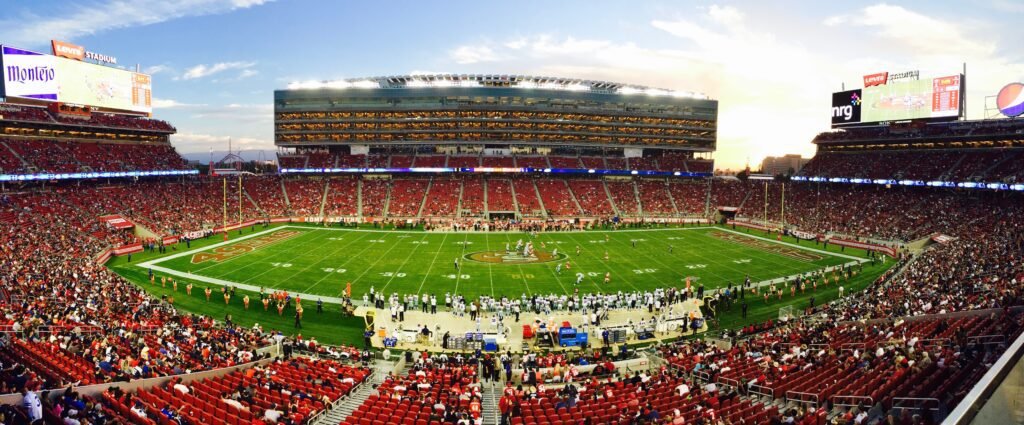
Why billionaires buy sports teams is suddenly one of the most talked-about questions in global finance, and the answer has little to do with trophies. A wave of record-breaking franchise sales in 2026, from the Los Angeles Lakers to the Seattle Seahawks, points to a new motive: buying a team is starting to look like a hedge against artificial intelligence disrupting everything else these investors own.
Why Billionaires Buy Sports Teams: The AI-Proof Hedge Argument
According to CNN Business, wealthy buyers increasingly see sports franchises as one of the few asset classes that AI cannot easily disrupt. Software can automate a factory, a law firm, or a trading desk, but it cannot replace the live, in-person, emotionally driven demand for watching your team play.
Investment banker Sal Galatioto put it plainly: team ownership has gone from something “you bought like fine art” to something that now functions as “a hedge against technology disruption.” That reframing, from passion purchase to defensive allocation, explains prices that would have seemed absurd just a decade ago.
The Billion-Dollar Sales Behind the Trend
The numbers involved are extraordinary even by billionaire standards. The Lakers sale, led by Bob Iger and Josh Kushner, set a new record for a US sports franchise, while the Seattle Seahawks and Minnesota Timberwolves/Lynx deals show the trend extends well beyond basketball.
| Team | Reported Valuation | Buyer(s) |
|---|---|---|
| Los Angeles Lakers | $12.5 billion | Bob Iger, Josh Kushner |
| Seattle Seahawks | $9.6 billion | Pending NFL approval |
| Minnesota Timberwolves/Lynx | $4.5 billion | Marc Lore |
| San Diego Padres | $3.9 billion | Undisclosed group |
These figures sit alongside other headline moves, including Jeff Bezos joining a consortium linked to Liverpool FC and a fresh minority stake injection valuing the New York Yankees at roughly $2.6 billion above its prior mark. Every one of these deals reinforces the same pattern: sports ownership is being repriced as a scarce, disruption-resistant asset. Sportico’s ongoing valuations tracker shows this is not a one-off spike but a multi-year climb across nearly every major league.
What makes this cycle different from past bull markets in sports ownership is who is buying. A decade ago, franchise buyers were mostly old-money families or media conglomerates. Today’s buyers increasingly include tech founders and AI-era wealth, people whose primary fortunes come from the very technology now unsettling other parts of the economy, which only reinforces the hedge argument.
Why Sports Teams Resist AI Disruption
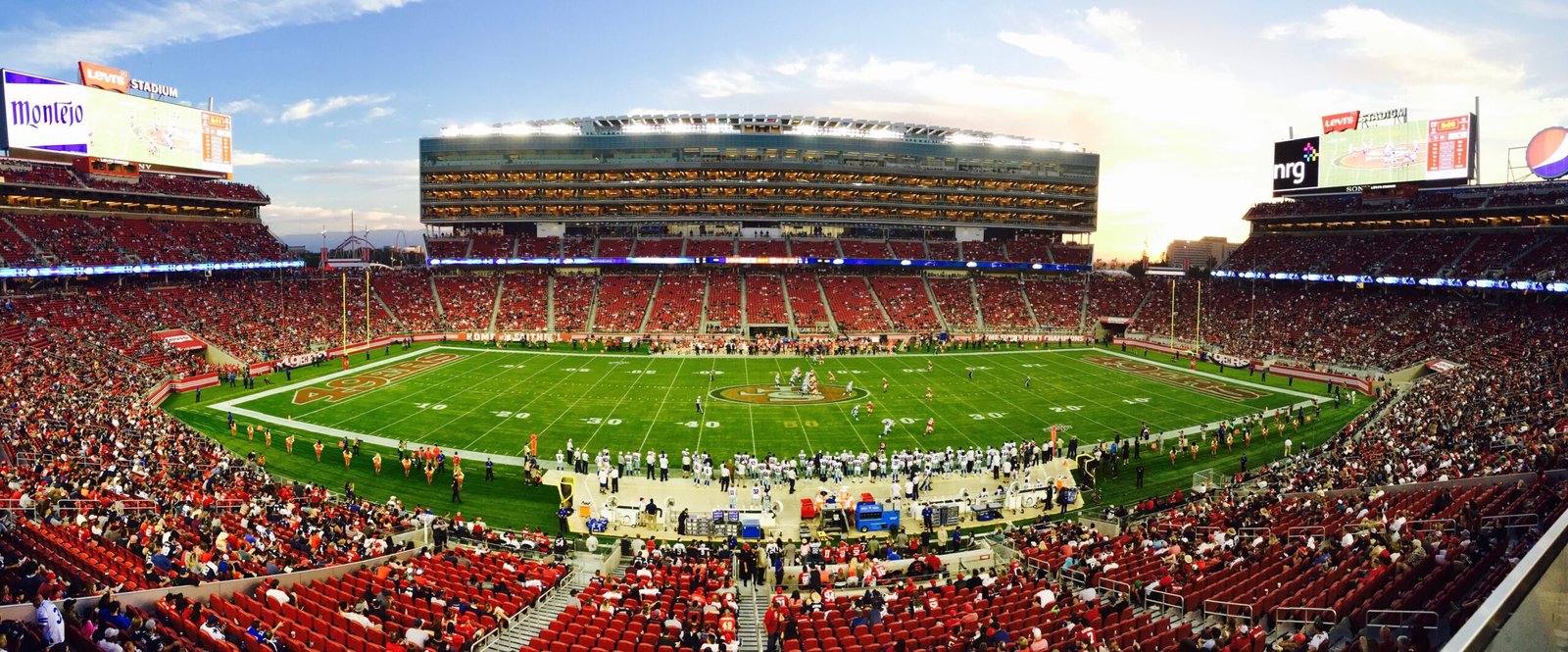
Sports economist Victor Matheson frames the appeal in simpler, older terms: “Everyone dreamed of being the owner or manager of the Yankees.” What has changed is the financial logic layered on top of that dream. A live match cannot be automated, streamed for free without rights payments, or replicated by a language model, which makes broadcast and sponsorship revenue unusually durable.
- Scarcity: There are only 30 to 32 top-flight franchises in most major leagues, and almost none of them come up for sale in a given year.
- Inelastic fan demand: Loyal fans keep buying tickets, jerseys, and subscriptions largely regardless of the broader economic cycle.
- Media rights growth: Live sports remain one of the few TV products that still commands premium advertising and subscription rates.
Best Investment in Sports Franchise Ownership: Can Everyday Investors Play?
For almost everyone reading this, buying an NBA or NFL team outright is not realistic. So is there a best investment in sports franchise ownership for someone without $10 billion to spend? The honest answer is that direct ownership is only one route into this trend, and not the one available to most people.
Publicly listed sports and media holding companies, franchise-linked sponsorship deals, and minority stakes in smaller regional leagues offer a more realistic, if far less glamorous, way to get exposure to the same idea: assets that live entertainment and fan loyalty protect from disruption. What matters most is understanding the logic behind the trend, scarcity and durable demand, rather than trying to copy the exact trade.
How This Connects to Pakistan’s Own Sports Investment Boom
Pakistan has its own, much smaller version of this story in the Pakistan Super League. According to ESPNcricinfo, PSL franchise owners have previously extended their ownership rights for another decade, paying renewal fees built on a formula of the old fee plus 25% of the franchise’s updated valuation, a sign that domestic sports ownership is also becoming more structured and more valuable over time. That renewal round is background context from PSL’s ownership cycle rather than this week’s news, but the direction is the same one playing out with the Lakers and Seahawks: sports franchises, at every scale, are being treated as serious, appreciating assets.
Our earlier look at PSL franchise valuations and at how sports franchises generate revenue beyond ticket sales both cover the same underlying mechanics driving these record-breaking global sales. The gap between a $12.5 billion Lakers sale and a PSL franchise renewal in the low single-digit millions of dollars also shows just how early Pakistan’s sports economy still is compared to the biggest global leagues.
Why Billionaires Buy Sports Teams Matters for Pakistani Investors
Most Pakistani investors will never bid on an NBA franchise, but the underlying lesson is transferable. Assets tied to genuine, hard-to-replicate demand, whether that is a sports franchise, a media rights contract, or even physical collectibles, tend to hold up better against disruption than assets that depend purely on efficiency or automation.
If sports-adjacent investing interests you, options that are actually accessible from Pakistan include sports memorabilia, fantasy sports platforms, and sponsorship-linked business ventures around cricket, rather than franchise ownership itself. For a wider view of how this fits against gold, real estate, stocks, and crypto, see our best investment in Pakistan guide, and compare it with the scale of NFL franchise valuations in 2026 to see just how far this trend has run globally.
It is also worth remembering that scarcity cuts both ways. The same lack of supply that makes top-flight franchises valuable also means most investors, in Pakistan or anywhere else, will only ever get exposure through smaller, adjacent opportunities rather than the headline asset itself. Treat the Lakers and Seahawks deals as a signal about where global capital is flowing, not a template you can directly replicate with a modest portfolio.
Frequently Asked Questions
Why are billionaires suddenly buying sports teams?
It largely comes down to scarcity and disruption resistance. Wealthy investors increasingly view franchises as one of the few asset classes AI cannot easily replicate or automate away.
How much did the Lakers sell for?
The Los Angeles Lakers sale, led by Bob Iger and Josh Kushner, was reported at a record $12.5 billion, the highest valuation ever recorded for a US sports franchise.
Can regular investors buy into sports team ownership?
Direct ownership of major franchises is out of reach for almost everyone. Realistic alternatives include publicly listed sports and media companies, sponsorship-linked ventures, and smaller regional or domestic league opportunities.
Is this trend relevant to Pakistani investors?
Indirectly, yes. Pakistan’s own PSL has shown rising franchise valuations over time, and the same principle, that scarce, demand-driven assets resist disruption, applies to how Pakistani investors think about diversification.
What is the safest way to get sports-related exposure from Pakistan?
For most Pakistani investors, sponsorship-linked business ventures, sports memorabilia, and fantasy sports platforms are far more realistic entry points than franchise ownership, which remains reserved for billion-dollar global buyers.
Whatever the eventual scoreboard, why billionaires buy sports teams is really a story about scarcity, not sentiment. As long as live sport keeps commanding fan loyalty and broadcast dollars that software cannot replicate, this “best investment in sports franchise ownership” argument is likely to keep pushing prices higher, whether the league is the NBA, the NFL, or Pakistan’s own PSL.
Leave a Reply