
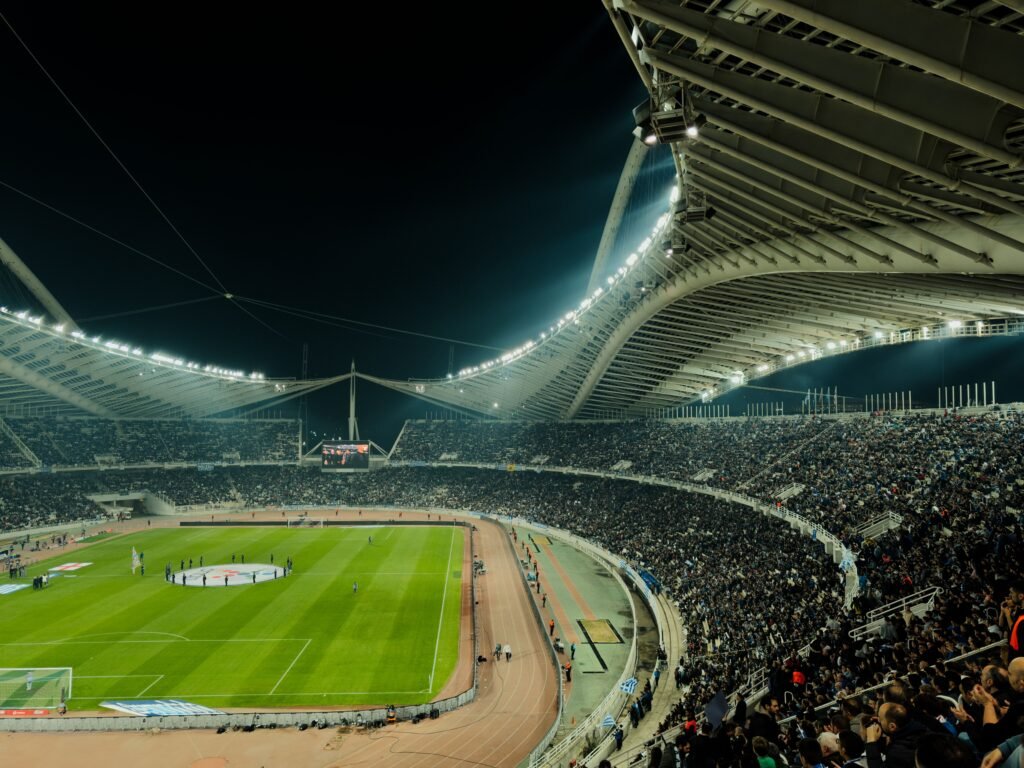
Saudi Pro League privatization 2026 officially began on September 2, when Kingdom Holding Company closed its $224 million purchase of a 70% stake in Al-Hilal from Saudi Arabia’s Public Investment Fund. If you’ve been watching PIF pour billions into Newcastle United, LIV Golf, and Formula 1 teams for three years, this deal reads backwards — the state is selling, not buying. That reversal is why Saudi Pro League privatization 2026 is worth understanding before you assume “best investment in Saudi football clubs” still means what it meant in 2023.
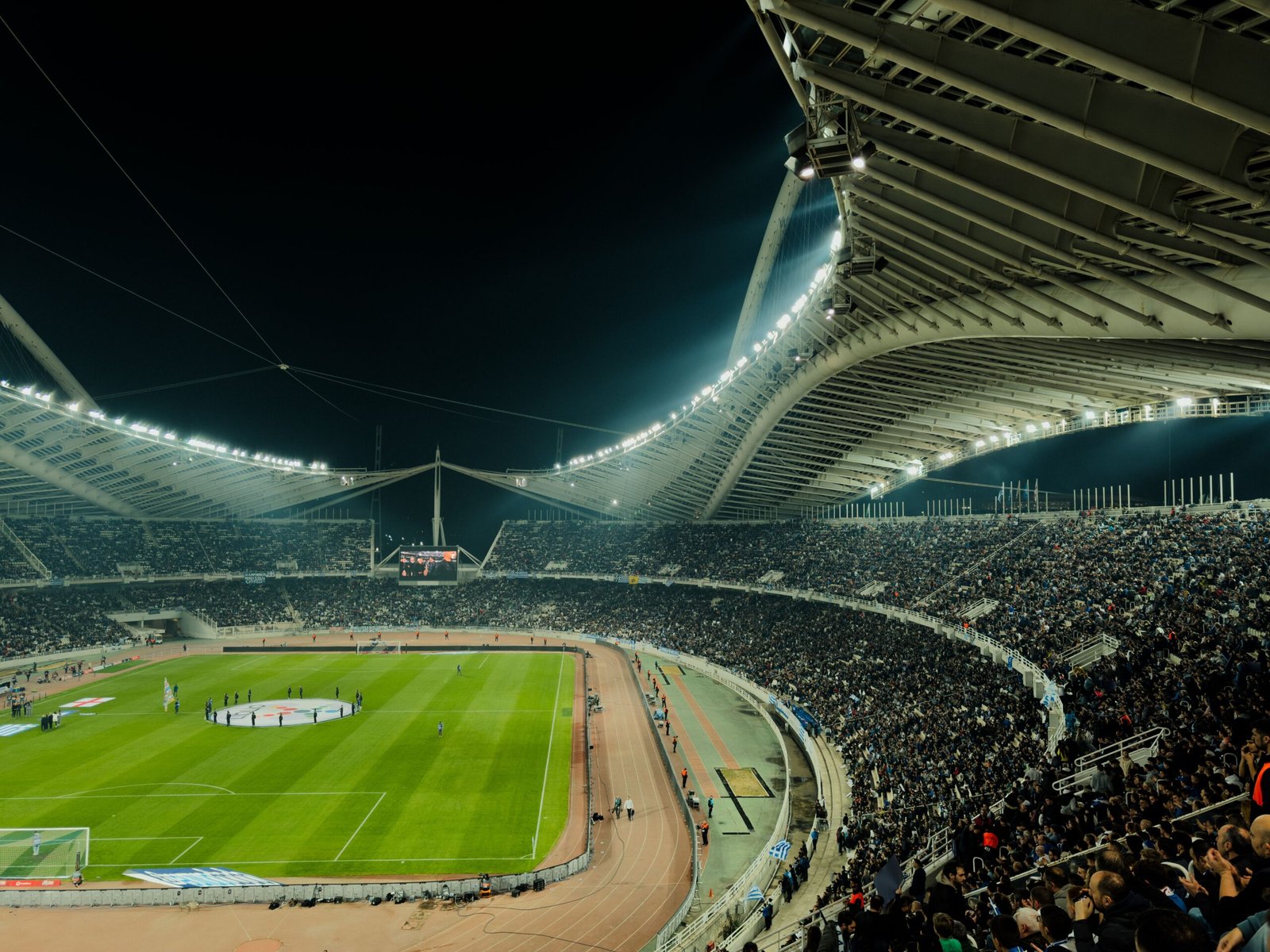
What Actually Happened: Saudi Pro League Privatization 2026 Explained
PIF first agreed to sell 70% of Al-Hilal Club Company to Kingdom Holding Company (KHC) on April 16, 2026, as first reported by ESPN and confirmed in PIF’s own press release. The transaction finally closed on September 2, at an enterprise value of SAR 1.4 billion ($372 million) and an equity value of SAR 1.2 billion ($319 million) for the whole club.
KHC, majority-owned by Prince Alwaleed bin Talal (78.1%), paid roughly SAR 840 million ($224 million) for its 70% share. PIF kept the remaining 30% and also holds 16.9% of KHC itself, so the fund never fully exits Saudi Pro League privatization 2026, it just changes seats.
Al-Hilal is the first of the four PIF-owned “big four” clubs — Al-Hilal, Al-Nassr, Al-Ittihad, and Al-Ahli — to go through Saudi Pro League privatization 2026. PIF has also transferred 25% of the shares it held via non-profit foundations back across all four clubs as part of what officials call the “second phase” of ownership transfer.
The Numbers That Make This Deal Make Sense
From State-Funded to Self-Funding
Al-Hilal’s 2024/25 revenue hit SAR 1.27 billion ($338 million), up 17% year-on-year, driven by the club’s global fame after signing Neymar and other marquee names in the 2023 spending wave. That growth is PIF’s justification: the club built a real commercial engine, so it can now support private ownership without state subsidy.
The Bill Behind the Boom
Saudi Pro League privatization 2026 followed a spending spree, not preceded it: clubs spent close to $2 billion on transfer fees since summer 2023. Al-Nassr alone carried debt exceeding SAR 800 million ($213 million) as of late July 2026, and the four PIF-backed clubs face combined budget cuts of $200–400 million for 2026-27. Selling Al-Hilal isn’t charity; it’s PIF recovering cash from an asset it inflated.
Why PIF Is Selling, Not Buying, Saudi Football Clubs Now
Saudi Pro League privatization 2026 didn’t happen in isolation. PIF has put more than $50 billion into Saudi sport since 2016, and in April its board approved a 2026-2030 strategy built around six priority domestic sectors: tourism, urban development, manufacturing, industrials/logistics, clean energy, and NEOM. Sport isn’t on that list anymore.
The retreat isn’t limited to football. PIF ended LIV Golf funding after the 2026 season, following roughly $5.3 billion in cumulative investment, and is reportedly exploring minority stake sales in Newcastle United. Meanwhile, the $55 billion EA Sports buyout and the 2034 World Cup hosting commitments remain untouched.
PIF isn’t abandoning sport; it’s separating “strategic” bets (World Cup hosting, gaming) from “mature” ones (a club with proven local revenue) that private capital can now carry — a standard private-equity playbook: build value, then sell to a buyer who wants cash flow instead of growth risk.
Saudi Pro League Privatization 2026 vs Other Ways to Invest in Sports
Al-Hilal’s sale is one data point in a bigger pattern of 2026 sports deals. To judge whether Saudi Pro League privatization 2026 actually opens a door for outside money, it helps to line it up against other routes people use to invest in sports right now:
| Investment Route | 2026 Reference Deal | Valuation | Retail Access | Main Risk |
|---|---|---|---|---|
| Saudi Pro League club (Al-Hilal) | PIF to Kingdom Holding, Sept 2026 | $372M enterprise value | None directly; indirect via KHC (Tadawul: 4280) stock | State-linked revenue, currency risk |
| Formula 1 team stake | McLaren, 30% sold to Mumtalakat/CYVN | ~$5B (Sportico: F1’s 10-team average was $3.42B) | None; private consortiums only | Extreme entry price, illiquid |
| NFL franchise | Reference: Dallas Cowboys | $15B+ | None; league-approved owners only | Closed ownership market |
| PSL franchise (Pakistan) | PCB franchise licensing model | Varies by team | Limited; sponsorship/co-investment routes | Regulatory dependence on PCB |
| Public holding company shares | Kingdom Holding Company (Tadawul) | Diversified (hotels, tech stakes, now football) | Yes, via international brokerage accounts | Diluted exposure to sport itself |
Saudi Pro League privatization 2026 makes one pattern obvious: direct ownership of a top-tier club or franchise is closed to ordinary investors everywhere, not just Saudi Arabia. The closest thing to a retail on-ramp is a publicly listed holding company that happens to own a stake, and even that is a diversified basket, not a pure sports bet.
Who Should (and Shouldn’t) Consider This Kind of Sports Investment
Reading Saudi Pro League privatization 2026 as a “best investment in Saudi football clubs” pitch for the average reader would be a mistake; direct club ownership requires hundreds of millions of dollars and a government-approved buyer profile. But the broader theme behind Saudi Pro League privatization 2026, state-backed sports assets moving to private hands, is worth tracking for a few specific groups.
- Should watch: investors already holding GCC equities, since Tadawul-listed holding companies like KHC increasingly carry sports assets as a growth line.
- Should watch: anyone tracking sovereign wealth fund behavior, since PIF’s shift away from sport often precedes similar moves by other Gulf funds such as Qatar Investment Authority or Mubadala.
- Should skip: anyone expecting quick liquidity — club stakes and even F1 team shares trade privately and infrequently, sometimes years apart.
- Should skip: retail investors wanting a “pure play” on one club; no major Saudi Pro League club has a standalone public listing as of September 2026.
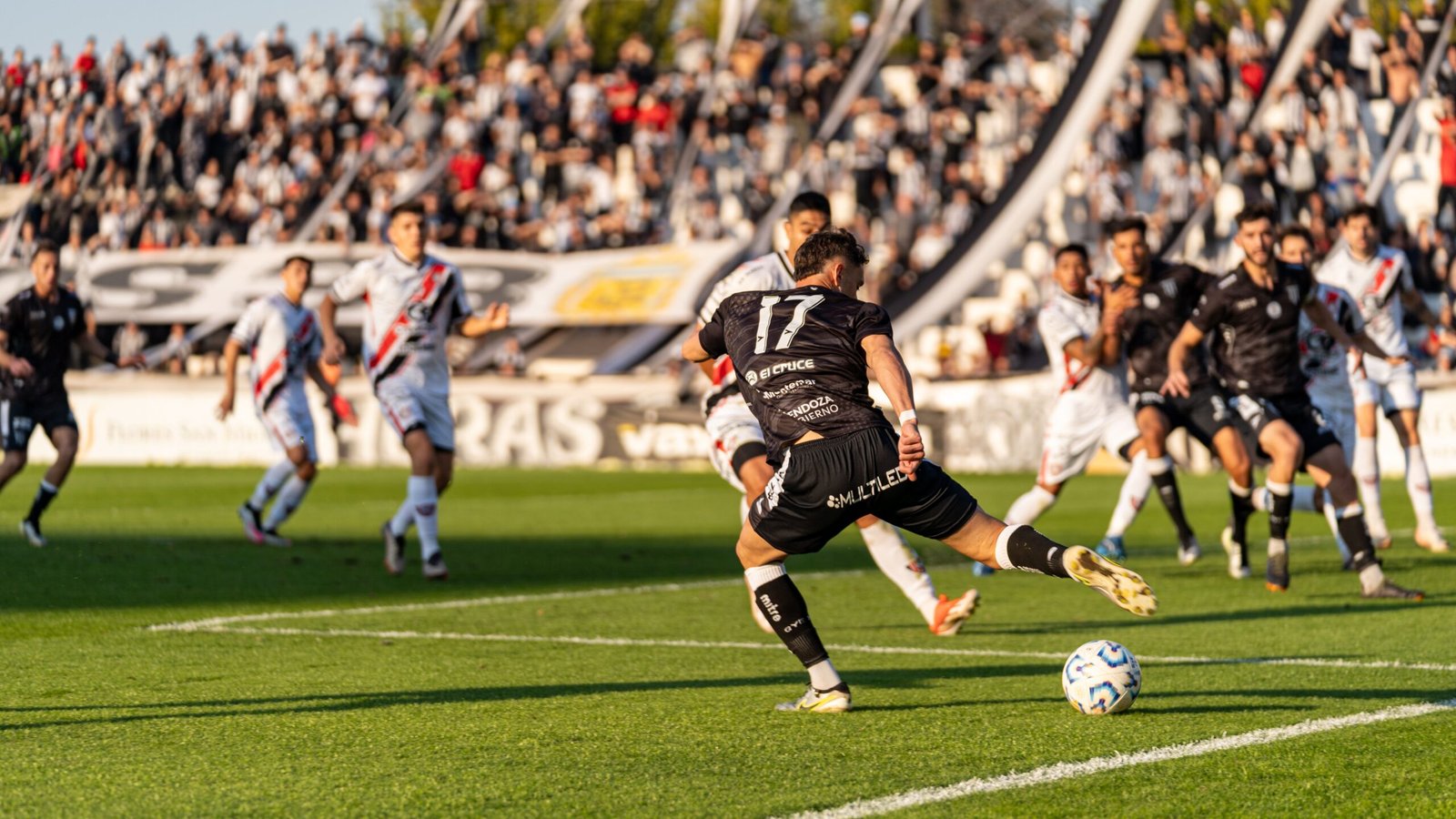
What This Means for Pakistani Investors
There’s no direct route for a Pakistani retail investor to buy into Al-Hilal or any Saudi Pro League club; that part of Saudi Pro League privatization 2026 stays closed to everyone outside PIF-approved private deals. But two points of relevance are genuine, not forced.
First, Kingdom Holding Company trades on the Saudi Exchange (Tadawul: 4280), which permits foreign qualified investors, and some international brokerages used by overseas Pakistanis in the Gulf offer access to Tadawul-listed stocks — one of the few legal, liquid ways to get indirect exposure to this trend.
Second, the logic behind Saudi Pro League privatization 2026, a state-linked sports entity building commercial value before shifting toward private capital, mirrors debates already happening around Pakistan Super League franchises and the PCB’s own sponsorship and broadcast structure. If you follow how PSL teams are valued or how the PCB monetizes its media rights, this Saudi case is a live preview of where a heavily state-linked league can go next.
For most Pakistani readers, the realistic takeaway isn’t “buy Saudi football stock”; it’s recognizing that sports leagues run by state or board-linked bodies, PCB included, eventually face the same fork PIF just took: keep subsidizing, or privatize and let commercial performance set the value.
Risks Nobody Advertises in a Privatization Headline
A 17% revenue jump looks strong until you remember it followed a $2 billion league-wide spending spree that also left Al-Nassr carrying over $200 million in debt; growth bought with borrowed money isn’t organic growth.
There’s political risk here too: PIF still owns 30% of Al-Hilal and 16.9% of KHC, so “privatization” doesn’t mean the Saudi state is gone, it means its exposure moved one layer removed. Regulatory approval and Vision 2030 priorities can still move the goalposts on any related asset.
Frequently Asked Questions
Why did PIF sell its stake in Al-Hilal?
PIF says the sale lets it “maximise returns and redeploy capital” under a 2026-2030 strategy that no longer lists sport as a priority sector, after roughly $50 billion in cumulative sports spending since 2016.
Can foreigners buy shares in Saudi football clubs?
Not directly. No major Saudi Pro League club has its own public stock listing as of September 2026. The only indirect route is through a listed holding company, such as Kingdom Holding Company, that owns a stake in one.
Is Saudi Pro League privatization 2026 a sign the league is in trouble?
Not necessarily. It looks more like a shift from state-subsidized spending to a self-sustaining commercial model, similar to how PIF pulled LIV Golf funding after 2026 while keeping its 2034 World Cup hosting commitments intact.
How does this compare to PSL franchise ownership in Pakistan?
PSL franchises remain licensed under the PCB’s structure rather than fully privatized, but the same question applies: can a board-linked league build enough commercial value to support private ownership without ongoing state support?
The bigger story behind Saudi Pro League privatization 2026 isn’t Al-Hilal specifically; it’s a sovereign wealth fund publicly admitting that sport was a spending category, not a permanent strategic holding. Whether or not a “best investment in Saudi football clubs” ever becomes accessible to ordinary investors, the direction of travel, state builds and private capital buys, is worth watching across every league that took Gulf money this decade, PSL included.
For related reading on this site: Why Billionaires Buy Sports Teams, NFL Franchise Valuations 2026, PSL Franchise Valuations 2026, and Premier League Transfer Spending Record 2026.
Leave a Reply