
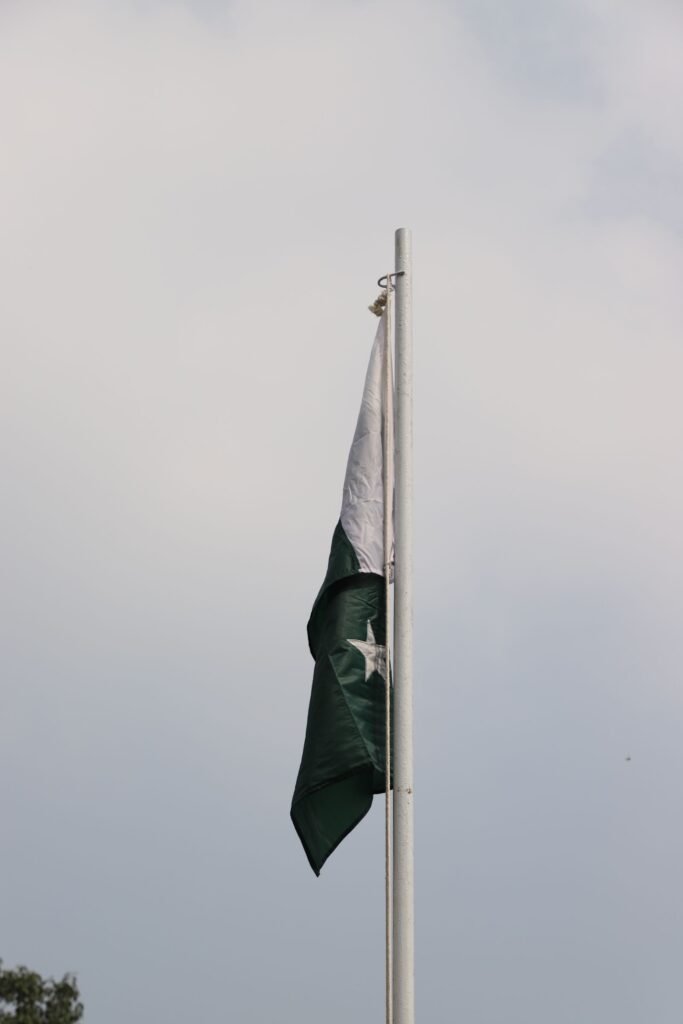
Pakistan Russia trade just hit a record $1.3 billion in 2025, up roughly 13% from the year before and more than 80% higher than where it stood back in 2021. That growth rate is outpacing global trade growth by a wide margin, and it’s happening while both countries work through sanctions pressure, banking restrictions, and logistical headaches that would normally slow this kind of relationship down.
This isn’t just diplomatic small talk. Pakistan’s Deputy Prime Minister and Foreign Minister Ishaq Dar met Russian Ambassador Albert Khorev in Islamabad on August 19, 2026, calling the momentum in bilateral ties “positive” and stressing the need for sustained high-level engagement. That follows a July 2026 meeting between Dar and Russian Foreign Minister Sergey Lavrov. Behind the diplomacy sits a genuinely large set of energy, trade, and connectivity projects that are worth understanding if you’re watching where Pakistan’s economy is headed.
How Big Is Pakistan Russia Trade Right Now?
Bilateral trade rose from about $696.99 million in 2021 to a record $1 billion in 2023, and then climbed another 13% to roughly $1.3 billion in 2025. On its own, that number is modest next to Russia’s trade with China, India, or even Bangladesh, which sits around $2 billion. What stands out is the pace, not the size, and Pakistan-Russia trade is currently growing about ten times faster than global trade overall.
Russian exports to Pakistan are mostly energy products, fertilizers, and machinery. Pakistani exports going the other way lean on rice, textiles, and leather goods, with agricultural trade also happening through direct barter arrangements for items like oranges and legumes.
The $2.25 Billion Pipeline That Could Change Everything
The most ambitious project on the table is the Pakistan Stream Gas Pipeline, a roughly 1,100-kilometre line designed to carry 12.4 billion cubic metres of gas annually from LNG terminals in Karachi to major industrial and population centres in Punjab. The planned cost is $2.25 billion, and negotiations between Moscow and Islamabad on its construction are ongoing.
If it goes ahead, this pipeline would meaningfully change how gas moves through Pakistan’s industrial heartland, reducing the country’s exposure to LNG import disruptions and giving Punjab’s manufacturing base a more direct energy supply line.
Gwadar’s New Role: Connecting Pakistan to the INSTC
Perhaps the most strategically significant idea in play is connecting Gwadar Port to the International North-South Transport Corridor (INSTC), the rail, road, and maritime network already linking Russia with Iran, Azerbaijan, Central Asia, and India. Adding Gwadar would give Russia and Eurasian Economic Union members a direct route to the Arabian Sea, while offering an alternative to Iran’s Chabahar Port if Strait of Hormuz disruptions continue.
For Pakistan, this would mean folding Gwadar into one of the biggest emerging trade architectures in Eurasia, alongside parallel talks on a free trade agreement between Pakistan and the Eurasian Economic Union.
Why Russia Is Becoming Pakistan’s Energy Safety Net
Energy is the most tangible part of this relationship, and it exists for a clear reason: Pakistan is exposed. Nearly 70% of the country’s oil is imported through Gulf shipping routes and the Strait of Hormuz, and Pakistan’s crude reserves have reportedly fallen to just 11 days of supply amid regional disruptions. We’ve covered how the Gulf war has already reshaped capital flows between Pakistan and the region, and that same instability is a direct threat to Pakistan’s fuel supply.
Russia has stepped into that gap. Since its first crude shipment to Pakistan in 2023, Russia has expanded supplies, with Pakistan reportedly importing over 733,000 barrels of Russian crude in recent procurement cycles at discounted rates, with further shipments under discussion. That pricing flexibility has made Russia a stabilizing option during a period when Gulf supply routes look increasingly unreliable.
The 2030 Programme of Economic Cooperation
Both governments are working to finalize a comprehensive Programme of Economic Cooperation running through 2030, meant to build a long-term framework across trade, energy, transport, investment, industry, and technology. Pakistani officials have described it as capable of lifting the relationship to an entirely new level, and it’s specifically designed to fix the structural issues, weak banking connectivity, clunky payment mechanisms, and logistical inefficiencies, that have kept trade below its real potential.
High-level contact has intensified to back this up. Prime Minister Shehbaz Sharif and President Vladimir Putin have now met four times in recent years, and the Pakistan-Russia Intergovernmental Commission has become the main mechanism coordinating cooperation across sectors.
What It Means for Pakistani Investors
If the gas pipeline and Gwadar-INSTC connectivity plans move from talks to construction, the biggest beneficiaries are likely to be energy infrastructure, logistics, and industrial land near Karachi’s LNG terminals and along the planned pipeline route into Punjab. A finalized EAEU free trade agreement would also open new export channels for Pakistani textiles, rice, and leather goods, sectors already carrying much of the current trade volume.
None of this changes overnight. Big infrastructure projects like the Pakistan Stream pipeline have been discussed for years without breaking ground, and much of the 2030 programme is still a framework rather than signed contracts. The realistic takeaway is that Russia is becoming a larger, more permanent part of Pakistan’s trade and energy picture, not a quick trade to chase.
Reasons to Stay Cautious
- The Pakistan Stream Gas Pipeline has been under negotiation for years without a confirmed construction timeline.
- Banking restrictions and payment mechanisms tied to sanctions on Russia continue to complicate settlement of trade.
- Gwadar-INSTC connectivity depends on cooperation across multiple countries, including Iran, which adds geopolitical risk.
- Trade volumes, while growing fast, remain small in absolute terms compared to Pakistan’s trade with China or the Gulf states.
The Bottom Line
Pakistan Russia trade has grown from under $700 million to $1.3 billion in four years, and the pipeline, port, and free trade discussions on the table now go well beyond routine diplomacy. For investors, the sectors to watch are energy infrastructure, logistics tied to Gwadar, and export industries that could gain from an EAEU trade deal. Whether the biggest projects, the $2.25 billion pipeline and Gwadar’s INSTC connection, actually get built is the real test of how far this relationship goes.
Frequently Asked Questions
How much is Pakistan Russia trade currently worth?
Bilateral trade between Pakistan and Russia reached approximately $1.3 billion in 2025, up 13% from the previous year and more than 80% higher than the $696.99 million recorded in 2021.
What is the Pakistan Stream Gas Pipeline?
It’s a proposed 1,100-kilometre pipeline designed to carry 12.4 billion cubic metres of gas annually from LNG terminals in Karachi to industrial centres in Punjab, at an estimated cost of $2.25 billion. Construction has not yet begun, and terms are still under negotiation.
Why does Pakistan import oil from Russia?
Pakistan imports nearly 70% of its oil through Gulf shipping routes that pass through the Strait of Hormuz, a corridor vulnerable to regional conflict. Russia offers discounted crude oil as an alternative supply source, helping Pakistan manage energy security during periods of Gulf instability.
Related Reading
- Dubai Real Estate Investment Reversal: The Shocking $60M Return to Pakistan
- Best Investment in Pakistan: Gold, Real Estate, Stocks or Crypto?
Sources: Ministry of Foreign Affairs, Government of Pakistan and Russia’s Pivot to Asia, “Russia, Pakistan Bilateral Relations & Trade: July 2026 Update.”
Leave a Reply