
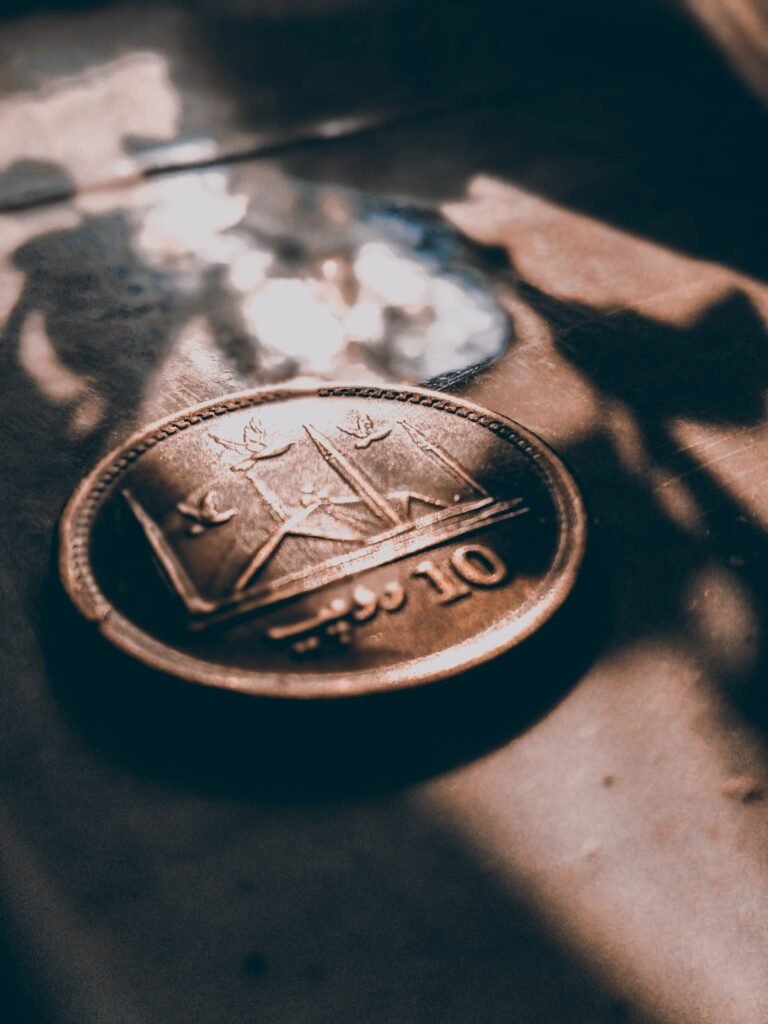
Rs10 note discontinuation Pakistan plans became real news this week, after a State Bank of Pakistan official confirmed the central bank is actively considering phasing out the Rs10 banknote and replacing it with a coin. If you’ve ever complained about a torn, grease-stained Rs10 note, this is the story behind why that might finally change.
This is still at the “under consideration” stage, not a done deal, so here’s exactly what’s confirmed, what isn’t, and why a currency note redesign is actually relevant to how you handle cash and small business change.
What’s Actually Confirmed About the Rs10 Note Discontinuation Pakistan Plan
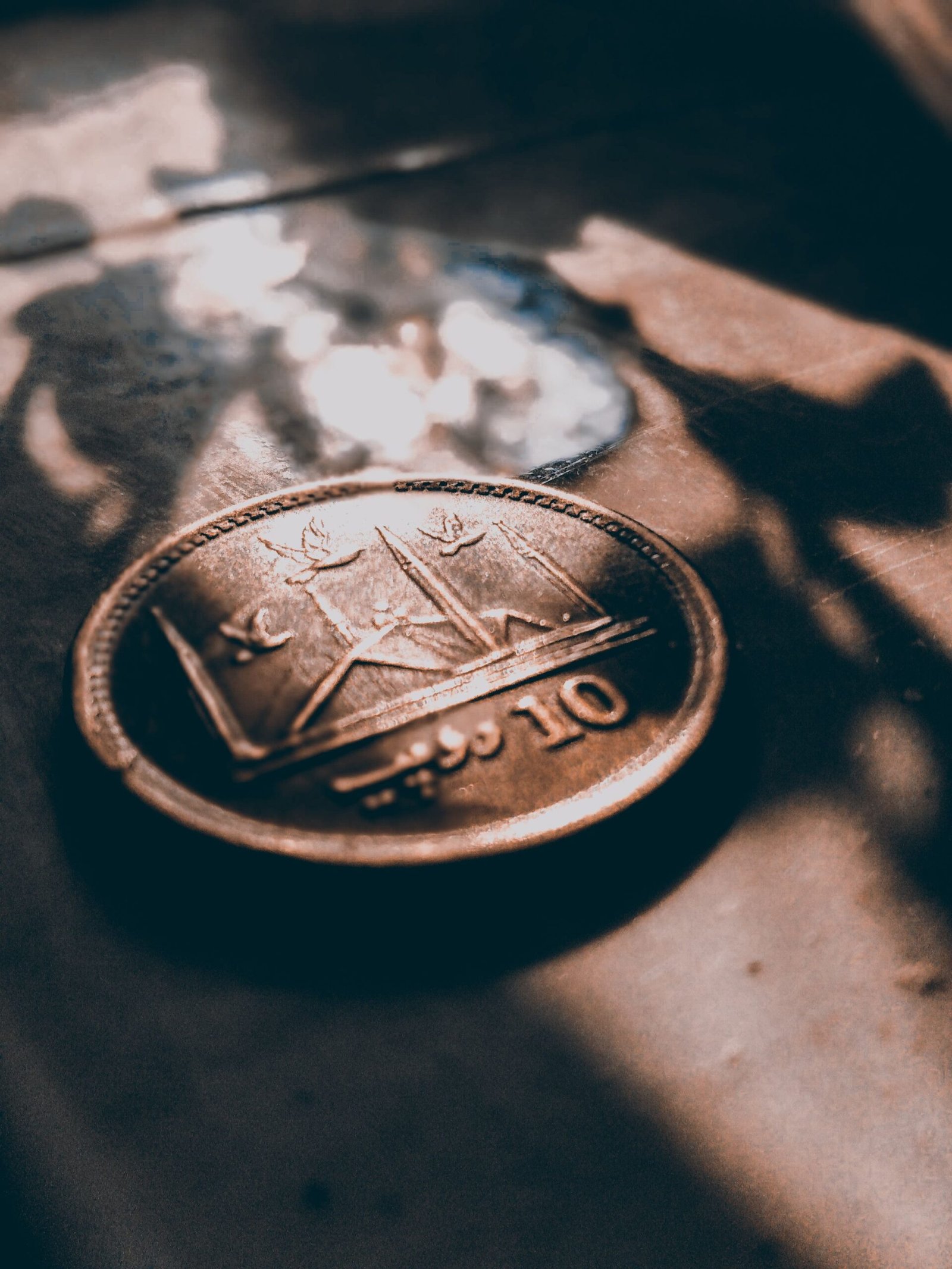
According to Dawn and Business Recorder, a State Bank of Pakistan official said the bank is considering discontinuing the Rs10 currency note because rising production costs make printing low-denomination notes increasingly uneconomical. A coin would replace it as part of a broader new currency series the SBP is planning.
Multiple outlets, including The Nation and Geo News, reported the same core detail this week: this is a proposal under consideration, not a note that stops being legal tender tomorrow. Existing Rs10 notes already in circulation would likely remain valid for a transition period, following the pattern used in Pakistan’s past denomination changes.
Why Printing Low-Denomination Notes Got So Expensive
Currency production costs are driven by paper, security features, and printing runs, all of which have risen alongside general inflation over the past few years. For a note as low in value as Rs10, the cost of printing, distributing, and eventually destroying worn notes can end up being a meaningful share of the note’s own face value.
Coins solve part of this problem because they last far longer in circulation than paper notes, even though the upfront cost of minting a coin is usually higher than printing a note. Over a coin’s lifespan, which can run into decades, the per-year cost typically works out lower.
How Pakistan Has Handled Currency Redesigns Before
This wouldn’t be the first time the State Bank has updated its currency lineup. Pakistan has periodically refreshed banknote security features and introduced new coin designs over the years, generally rolling out changes gradually rather than invalidating old currency overnight.
The usual pattern gives banks, retailers, and the public a transition window where both the old and new versions circulate side by side. If the Rs10 note discontinuation Pakistan plan moves forward, expect a similar phased approach rather than a sudden cutoff, though the SBP has not yet published a specific timeline.
What This Has to Do With Investment at All
A Rs10 coin swap sounds like a small, administrative story, but it’s a useful trigger for a bigger question: how much of your own savings and daily transactions are still cash-based? Every rupee sitting in physical cash earns nothing, while the same amount in a savings account, digital wallet, or short-term investment at least keeps some pace with inflation.
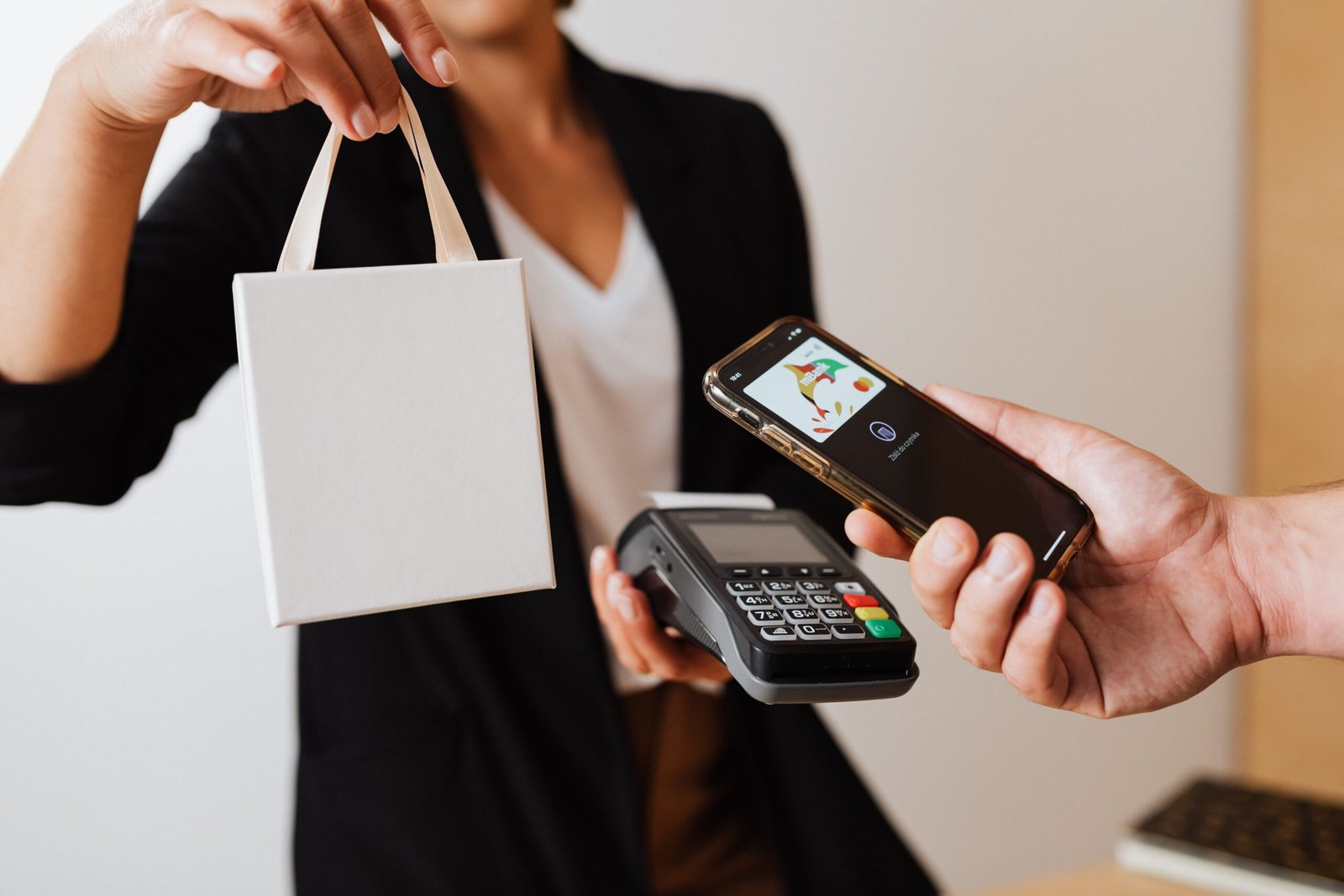
This is exactly the kind of moment that makes the best investment in digital payments Pakistan conversation relevant for small business owners and individuals who still handle a lot of physical cash day to day.
Small Businesses and the Coin Transition
- Retailers and small shopkeepers may need to adjust how they handle change once new coins circulate more widely.
- Vending machines, parking meters, and toll systems calibrated for the current Rs10 note would need updates if a coin replaces it.
- Businesses that already use QR-based digital payments avoid most of this friction entirely.
None of this is urgent yet, since the plan is still under consideration. But businesses that already lean on digital payment tools like SadaPay or Easypaisa are naturally more insulated from any physical currency transition than cash-only operations.
Shopkeepers who deal in a high volume of small transactions, like grocery stores, pharmacies, and public transport operators, tend to feel denomination changes the most, simply because they handle more low-value notes per day than a typical retailer. If you run this kind of business, it’s worth keeping a small buffer of current Rs10 notes and coins on hand rather than assuming supply will be seamless during any transition period.
Best Investment in Digital Payments Pakistan: Where to Start
The point isn’t that cash is bad. It’s that a story like the Rs10 note discontinuation Pakistan plan is a nudge to check whether you’re holding more physical cash at home than you actually need day-to-day.
| Option | Earns Any Return | Convenience | Exposure to Currency Change |
|---|---|---|---|
| Physical cash at home | No | Universal, but risk of loss or damage | Full exposure to redesigns and wear |
| Mobile wallet (Easypaisa, JazzCash, SadaPay) | Limited, some offer profit-sharing | High, works for most bills and transfers | None |
| Bank savings account | Yes, interest-bearing | Moderate | None |
What This Means for Pakistani Investors
If you run a small business that handles a lot of low-denomination cash, it’s worth starting to track how a coin transition might affect your till and change float, even though nothing changes immediately. If you’re an individual investor, this story is really a reminder rather than a direct action item: idle cash is the one “investment” that guarantees a loss to inflation over time.
Pair this with our look at Pakistan’s current economic growth phase if you want the bigger picture, or our guide on passive income ideas that actually work if you’re sitting on cash savings and want it working harder without taking on major risk.
None of this requires an urgent decision today. But small, recurring news like a coin redesign is a good annual prompt to sit down, add up how much cash you’re actually holding idle, and decide whether some of it belongs somewhere that at least tries to keep pace with inflation instead of sitting in a drawer.
Frequently Asked Questions
Has the SBP officially discontinued the Rs10 note?
No. As of this week, an SBP official said the bank is “considering” discontinuing it, according to Dawn and Business Recorder. It is a proposal under review, not a confirmed policy change.
Will old Rs10 notes still be accepted?
Officials have not announced a specific timeline, but past currency transitions in Pakistan have typically allowed a grace period before older notes stop being legal tender.
Why replace a note with a coin instead of just printing more notes?
Coins generally last far longer in circulation than paper notes, which can make them cheaper to maintain over time even though minting them costs more upfront per unit.
Does this affect Rs10 coins that already exist?
The State Bank has issued Rs10 coins in the past alongside the note; this proposal is about phasing out the note specifically in favor of wider coin circulation.
What should I do with old Rs10 notes I already have?
Nothing urgent. Since the plan is still under consideration and no legal-tender deadline has been announced, there’s no reason to rush to spend or exchange existing Rs10 notes right now.
The Bottom Line
The Rs10 note discontinuation Pakistan story is small on its own, but it’s a good prompt to check your own cash habits. Whether or not the coin swap happens on the timeline officials are discussing, the underlying lesson holds: the best investment in digital payments Pakistan is rarely the idle cash sitting in your wallet.
Sources: Dawn, Business Recorder, State Bank of Pakistan
Leave a Reply