
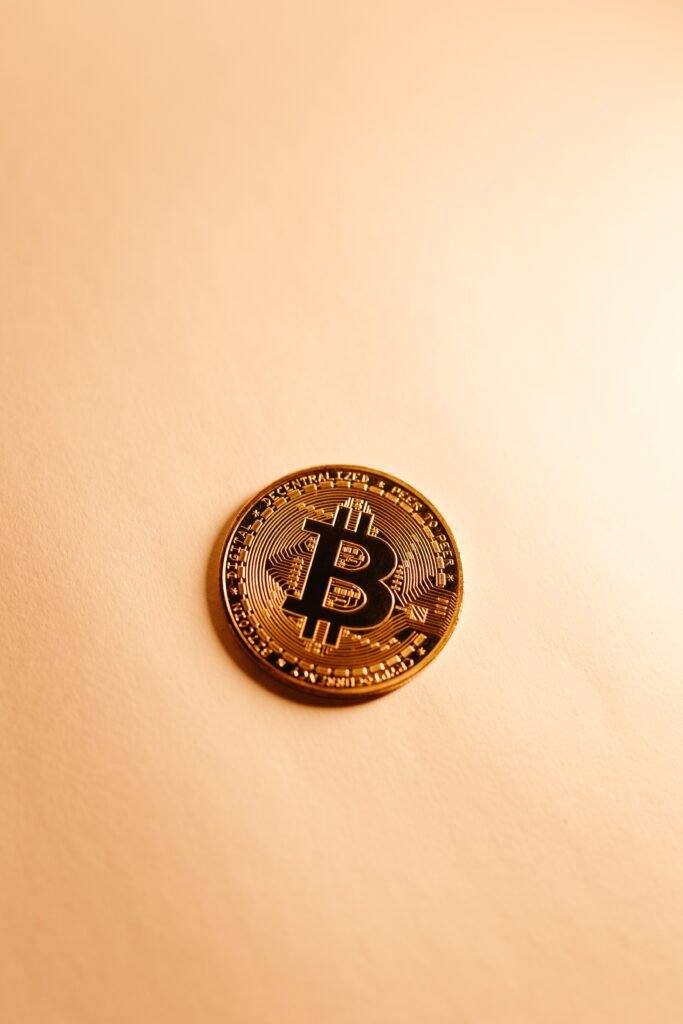
Every so often, a cryptocurrency milestone comes along that’s easy to miss in the daily noise of price charts, but this one matters more than most: Bitcoin has now issued over 20 million of the 21 million coins it will ever create. Barring a fork or a protocol change nobody is seriously proposing, that’s it — there will never be more Bitcoin than that.
On 9 March 2026, the network mined its 20 millionth coin at block 939,999. As of this year, roughly 20.07 million BTC are in circulation, putting Bitcoin at about 95.6% of its hard-capped supply.
What Just Happened
Bitcoin’s total supply has been mathematically capped at 21 million coins since the network launched in 2009. That number isn’t a marketing figure or a policy target — it’s hard-coded into the protocol itself, enforced by every node that verifies the blockchain. Every four years, the reward miners earn for confirming transactions is cut in half, which is why new coins are entering circulation slower and slower over time.
That slow taper is exactly why crossing the 20 million mark in March 2026 stood out: it confirmed the cryptocurrency world’s most-cited scarcity story is playing out on schedule, and there’s a real, trackable finish line ahead.
How Close We Really Are
With roughly 957,000 BTC left to mine, under 5% of Bitcoin’s total supply remains unissued. But “left to mine” doesn’t mean “left to mine quickly.” Because of the halving schedule, that final sliver will trickle out over more than a century:
- Today: Miners earn 3.125 BTC per block.
- After the next halving (expected April 2028): The reward drops to 1.5625 BTC per block, cutting daily issuance to roughly 225 BTC.
- By design: The very last fraction of a Bitcoin isn’t expected to be mined until around the year 2140.
In other words, the 21 million cap is close in percentage terms, but the remaining coins will be released in ever-smaller trickles for generations.
The Halving Countdown
Bitcoin’s next halving is expected around 17-19 April 2028, at block height 1,050,000. As of mid-2026, that countdown is already more than halfway complete. Each halving has historically been a major moment for the cryptocurrency market, since it mechanically reduces how many new coins miners can sell to cover costs — tightening supply just as demand narratives tend to build around the event.
The Lost Bitcoin Wrinkle
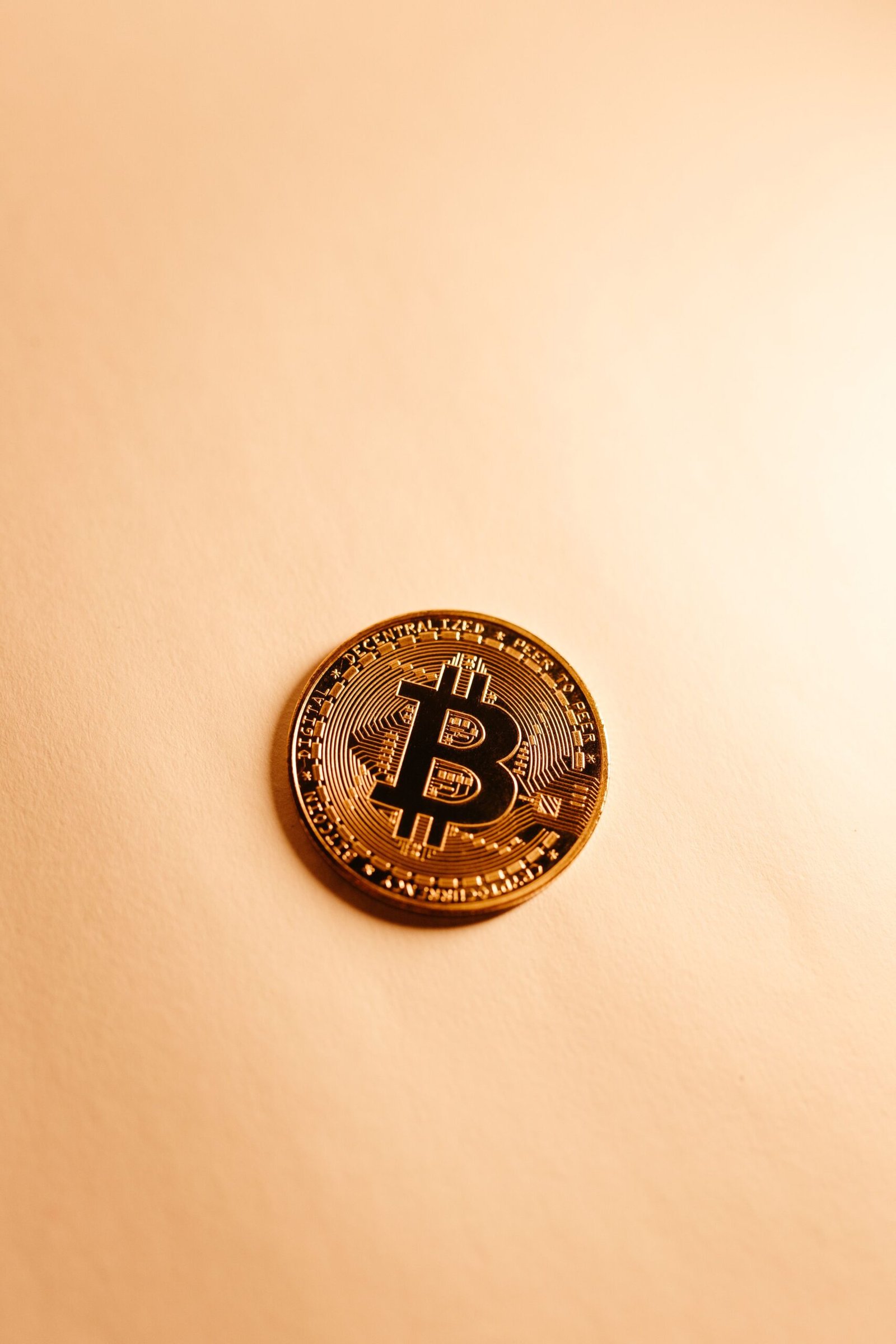
The scarcity story gets even tighter once you account for lost coins. Researchers estimate that somewhere between 2.3 million and 4 million BTC are permanently inaccessible — lost private keys, forgotten hard drives, and early wallets nobody can recover. If those estimates are even roughly right, the Bitcoin that’s actually usable and tradable today could be closer to 16-17 million coins, not 20 million.
That’s a meaningful gap between Bitcoin’s official issued supply and its real, spendable supply — and it’s part of why some analysts argue Bitcoin is scarcer in practice than the headline 21 million figure suggests.
What This Means for Investors
For Pakistani investors weighing whether cryptocurrency deserves a place alongside gold, real estate, and stocks, the fixed-supply story is Bitcoin’s core pitch: unlike the rupee, unlike gold mining output, and unlike company shares that can be issued indefinitely, Bitcoin’s supply schedule cannot be changed by any central authority. Whether that scarcity makes it the best investment for your goals depends entirely on your risk tolerance, since scarcity alone doesn’t guarantee price appreciation — demand still has to show up to meet it.
If you’re new to the space, it’s worth reading how to buy Bitcoin in Pakistan safely before acting on a scarcity narrative alone, and comparing it against Bitcoin vs gold as a store of value if you’re deciding between the two.
Reasons to Stay Cautious
A fixed supply is not the same thing as a guaranteed return, and a few things are worth keeping in mind:
- Scarcity is already priced in. Markets have known about the 21 million cap since Bitcoin launched — it isn’t new information that catches the market by surprise.
- Volatility remains high. Recent moves like the Bitcoin Clarity Act price rally show how fast sentiment (not just supply mechanics) can move the price in either direction.
- ETF flows matter too. Institutional demand, tracked through vehicles like Bitcoin ETFs, can swing short-term prices as much as the supply schedule itself.
The Bottom Line
Bitcoin crossing 95%+ of its 21 million supply cap is a genuine cryptocurrency milestone, not hype. Just under a million coins remain to be mined, and they’ll be released in shrinking amounts for more than a century, with the very last fraction not expected until around 2140. That’s a real, mathematically enforced scarcity story — but scarcity is only half of any investment case. Demand, regulation, and your own risk appetite still do the rest of the work.
Frequently Asked Questions
What happens to Bitcoin mining after all 21 million coins are issued?
Miners will still be needed to secure the network and confirm transactions, but their income will come entirely from transaction fees rather than newly minted coins. This shift is expected to happen gradually well before 2140, as block subsidies keep halving toward a negligible amount long before the final coin is actually mined.
Does the 21 million cap mean Bitcoin can never inflate?
In terms of new coin issuance, yes — the schedule is fixed and enforced by consensus rules that every full node checks. That’s different from most fiat currencies, including the Pakistani rupee, where the central bank can expand the money supply. It doesn’t mean Bitcoin’s price is guaranteed to rise, since price is driven by demand as much as by supply.
How does Bitcoin’s cryptocurrency scarcity compare to gold?
Gold has no hard cap — new deposits can still be discovered and mined, even if extraction gets harder over time. Bitcoin’s 21 million figure is mathematically fixed and publicly verifiable at any moment, which is why some investors describe it as “digital gold” with a more predictable scarcity curve than the metal itself.
Leave a Reply