
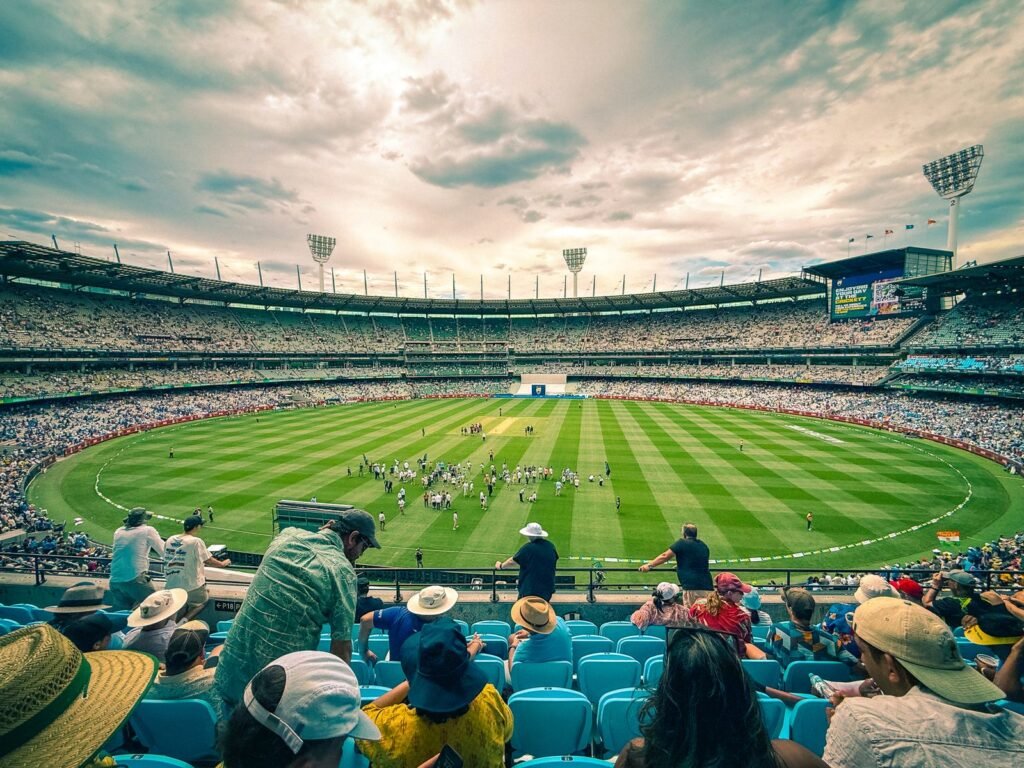

The Pakistan domestic cricket broadcast deal signed this month is a bigger story than the scorecards suggest. On August 11, 2026, the Pakistan Cricket Board kicked off the National Champions Cup in Multan under a fresh three-year production and broadcast partnership with Al Batal Productions & Technologies, and it says a lot about where the real money in Pakistani cricket is starting to move.
The Pakistan Domestic Cricket Broadcast Deal: What Actually Changed
The PCB handed television and live-streaming production rights for its domestic men’s and women’s cricket to Al Batal Productions & Technologies for the 2026-27, 2027-28, and 2028-29 seasons. The first event under the new arrangement, the National Champions Cup, began in Multan with seven 50-over matches, feeding live coverage to fans who previously had little to no access to domestic-level cricket outside the stadium gates.
That access matters more than it sounds. Domestic cricket in Pakistan has historically been a financial afterthought next to the Pakistan Super League, covered in our breakdown of PSL franchise valuations. A dedicated broadcast pipeline changes that math by giving domestic cricket something it never really had: a commercial audience that sponsors and advertisers can actually measure.
Inside the National Champions Cup
The National Champions Cup itself is a 50-over tournament featuring some of Pakistan’s most recognizable domestic names, including Shaheen Shah Afridi, Shadab Khan, Saim Ayub, and Sahibzada Farhan, playing for their respective regional sides rather than PSL franchises. Before this broadcast deal, matches like these rarely reached a national television audience, which meant sponsors had almost no reliable way to measure reach or engagement. Live production changes that equation for every future domestic season covered under the new three-year agreement, with full fixtures and scores now tracked publicly on ESPN Cricinfo.
Why This Pakistan Domestic Cricket Broadcast Deal Matters for Money, Not Just Cricket
Broadcast rights are the backbone of modern sports economics almost everywhere. Ticket sales cap out at stadium capacity, but broadcast and streaming rights scale with audience size, which is exactly the point we made in our piece on how sports franchises generate revenue beyond ticket sales. Extending that model down to domestic cricket, rather than keeping it exclusive to the PSL, widens the commercial base of the entire sport.
For sponsors, a three-year production commitment also removes a big source of uncertainty. Brands that were only comfortable buying into PSL sponsorship, discussed in our article on sports sponsorship deals in Pakistan, now have a lower-cost, longer-tail entry point into cricket marketing through domestic events with guaranteed production quality across three full seasons.
Who Benefits First
A few groups stand to gain before anyone else from this shift:
- Domestic players like Shaheen Afridi, Shadab Khan, and other Champions Cup participants get national visibility outside the PSL window, which can boost personal endorsement value over time.
- Regional sponsors get cheaper access to cricket audiences than PSL’s premium sponsorship tiers allow, letting smaller brands test cricket marketing at lower cost.
- Production and media companies, including firms like Al Batal, capture recurring multi-year revenue instead of one-off event contracts.
- Fans in smaller cities finally get live access to matches that used to be effectively invisible outside the stadium walls.
Is This the Best Investment in Pakistan’s Domestic Cricket Economy?
There is no stock ticker for “Pakistani domestic cricket,” so this isn’t a buy-this-now story. But it is a useful signal for anyone tracking where sports money in Pakistan is headed next. The best investment in Pakistan’s domestic cricket economy right now isn’t a single asset, it’s paying attention to which sponsors, broadcasters, and franchise-adjacent businesses move early into this newly commercialized space, the same pattern that made early PSL sponsors and franchise owners look smart in hindsight, a dynamic we also touched on when covering the business behind fantasy sports apps.
Retail investors don’t have a direct way to buy into PCB broadcast deals, since the board is a governing body and not a listed company. What they can do is watch publicly listed companies with sports, media, or telecom sponsorship exposure on the Pakistan Stock Exchange, since cricket sponsorship spending shows up indirectly in marketing budgets and brand deals across several PSX-listed sectors.
Broadcast Deal vs PSL Sponsorship: A Quick Comparison
| Factor | PCB Domestic Broadcast Deal | PSL Sponsorship |
|---|---|---|
| Entry cost for sponsors | Lower, event and series-based | Higher, franchise and season-based |
| Audience size | Growing, previously untapped | Established, large national audience |
| Contract length | Three years (2026-27 to 2028-29) | Typically season-by-season or multi-year franchise deals |
| Investor access | Indirect, through sponsor and media companies | Indirect, through franchise-linked and listed sponsors |
What This Means for Pakistani Investors
If you’re the kind of investor who tracks emerging revenue streams before they go mainstream, this deal is worth filing away. Domestic cricket monetization in Pakistan is roughly where PSL sponsorship was several years ago: small, underpriced, and easy to dismiss until the audience numbers catch up with the hype.
The practical move isn’t chasing this story directly, since there’s no listed vehicle for it. It’s keeping an eye on which PSX-listed telecom, banking, and consumer brands start showing up as domestic cricket sponsors over the next year, because that’s usually the first visible sign a company sees real return in the space before the wider market does. It’s also worth remembering that sports-adjacent revenue is a slow burn, not a quarterly windfall, so patience matters more than timing here.
Frequently Asked Questions
What is the Pakistan domestic cricket broadcast deal?
It’s a three-year agreement between the PCB and Al Batal Productions & Technologies to handle television and live-streaming production for Pakistan’s domestic men’s and women’s cricket events, starting with the National Champions Cup 2026-27 in Multan.
Can I invest directly in PCB broadcast rights?
No. The PCB is a governing body, not a listed company, so there’s no direct equity or stock to buy. Investors can only gain indirect exposure through PSX-listed companies that sponsor or advertise around domestic cricket coverage.
How is this different from PSL investment opportunities?
PSL franchises carry recognizable brand value and established sponsorship tiers, while domestic cricket is an earlier-stage, lower-cost commercial opportunity that’s only now getting a proper broadcast infrastructure behind it.
Why does broadcast investment matter more than ticket sales?
Ticket revenue is capped by stadium size, but broadcast and streaming rights scale with audience reach, which is why most modern sports revenue growth comes from media rights rather than gate receipts. It’s the same reason global leagues chase streaming deals long before they chase bigger stadiums.
Will domestic cricket sponsorship rates rise because of this deal?
It’s reasonable to expect gradual increases as measurable audience data becomes available. Sponsors typically pay more once they can see actual viewership numbers instead of estimating reach from stadium attendance alone, so rates are likely to firm up over the three-year contract term rather than jump immediately.
The Bottom Line
This isn’t a headline that will move markets tomorrow, but the Pakistan domestic cricket broadcast deal is a real, dated data point about where Pakistani sports commerce is expanding next. For fans, it means finally being able to watch domestic cricket properly. For investors, it’s a reminder that the best investment in Pakistan’s domestic cricket economy is usually spotted early, by watching who commits money before the audience numbers make it obvious to everyone else.
Leave a Reply