
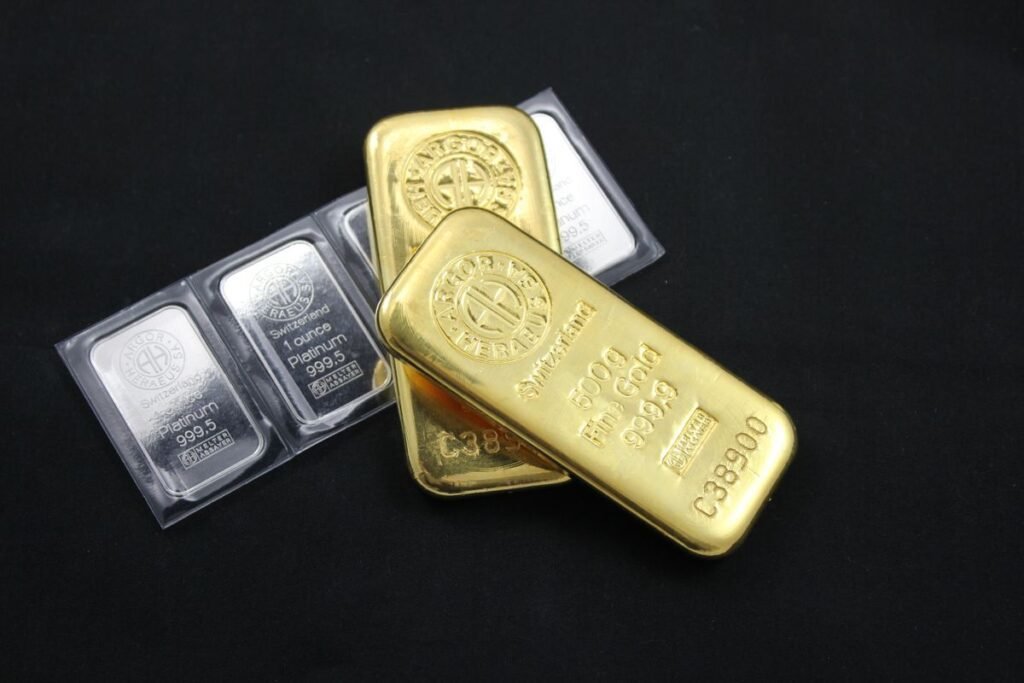
Walk into almost any jewelry shop in Lahore, Karachi, or Islamabad and ask for a gold set, and there’s a good chance you’ll be quoted the 21K gold price in Pakistan before anything else. It is the default purity across South Asian and Gulf jewelry markets, yet most buyers never ask why, or what it actually means for the money they’re putting into it.
This guide breaks down what 21K gold is, how its price is calculated, why it dominates the local market, and whether it deserves a place in a serious investment plan or belongs strictly in the jewelry box. Keeping an eye on the 21K gold price in Pakistan each week helps you time purchases better.
What Does 21K Gold Actually Mean?
Gold purity is measured out of 24 parts. Pure, 24-karat gold is 99.9% gold with almost no other metal mixed in. 21K gold is 21 parts gold to 3 parts alloy, which works out to 87.5% pure gold, with the remaining 12.5% made up of metals like copper or silver added for strength.
That alloy mix is not a flaw. Pure 24K gold is soft enough to bend or scratch under normal wear, which makes it a poor choice for rings, bangles, and chains meant for daily use. 21K strikes the balance jewelers across Pakistan, the UAE, and Saudi Arabia have settled on for generations: rich color, real durability, and a purity high enough to still carry strong resale value. Jewelers set their day rate based on the 21K gold price in Pakistan published by local associations.
How the 21K Gold Price in Pakistan Is Calculated
Local jewelers do not set the 21K rate independently. It is derived mathematically from the 24K international spot price, which itself is set on global bullion markets and quoted in US dollars per troy ounce. The conversion works roughly like this:
- The international spot price is converted from USD to PKR using the current interbank exchange rate.
- That figure is converted from a troy ounce into a tola (11.6638 grams) or gram, the units used locally.
- The 24K per-tola or per-gram rate is then scaled down to 21K purity, roughly 87.5% of the 24K figure, though associations round this slightly differently city to city.
This is why the 21K rate moves every time the international price shifts, and why it also moves independently whenever the rupee weakens or strengthens against the dollar, even on days when the global gold price barely changes. Understanding the 21K gold price in Pakistan protects you from being overcharged on making charges.
21K vs 22K vs 24K: Where the 21k Gold Price in Pakistan Fits
Pakistan’s gold market runs on three main purities, and each serves a different purpose:
- 24K (99.9% pure): The investment-grade standard. Used for bars, coins, and digital gold. Too soft for daily-wear jewelry.
- 22K (91.6% pure): A middle ground, common in South Asian bridal jewelry, priced slightly above 21K.
- 21K (87.5% pure): The most widely sold purity in Pakistani and Gulf retail jewelry, balancing cost, durability, and gold content.
For a full breakdown of how the 24K and 22K rates compare and which one holds value better, see our detailed guide on 24K vs 22K gold in Pakistan. Many investors check the 21K gold price in Pakistan online before visiting a jewelry shop.
Is 21K Gold a Good Investment, or Just Good Jewelry?
This is the question that actually matters, and the honest answer is: it depends on why you’re buying it.
If the goal is pure wealth preservation, 21K jewelry is not the most efficient vehicle. Making charges typically add 8% to 25% on top of the metal value, and that premium is rarely recovered in full at resale, since buyers pay for gold weight and purity, not craftsmanship. A jeweler will usually deduct making charges when you sell the piece back. The 21K gold price in Pakistan can shift several times in a single day depending on international trends.
If the goal includes wearability, cultural or wedding use, and some investment value as a secondary benefit, 21K is a reasonable middle path. You are still holding 87.5% pure gold, which retains real value and can be resold, melted down, or exchanged, just not at the same efficiency as a 24K bar or coin bought specifically as an investment.
For buyers whose primary goal is the best investment outcome rather than an occasion piece, 24K bars, coins, or digital gold typically deliver more gold value per rupee spent, since they carry little to no making charge premium. Comparing the 21K gold price in Pakistan across cities can reveal small but real savings.
How to Verify You’re Getting Genuine 21K Gold
Purity fraud is a real risk in any unregulated jewelry transaction. Before buying, take these steps:
- Check the hallmark. Government-certified hallmarking centers stamp purity directly onto the piece.
- Ask for a purity certificate from an established, reputable jeweler rather than an unverified seller.
- Weigh it in front of you on a calibrated digital scale, not an eyeballed estimate.
- Compare the quoted rate against that day’s published 21K rate before agreeing on a price.
Our guide to buying gold in Pakistan’s traditional sarafa bazaars covers this process in more detail, including how making charges are typically negotiated.
Tracking the 21K Rate Before You Buy
Because the 21k gold price in Pakistan shifts with both international gold markets and the PKR/USD exchange rate, prices can move meaningfully within the same week. Rather than relying on a single number quoted by one shop, cross-check the day’s rate against multiple sources, and understand what is actually driving the movement. Our guide on how to read daily gold prices in Pakistan explains how to do this properly before you commit to a purchase.
For a global reference point on how spot gold pricing works, the World Gold Council’s price data is the industry-standard source most local rates ultimately trace back to.
The Bottom Line
The 21k gold price in Pakistan reflects a jewelry-first purity, not an investment-first one, and that distinction matters more than the number itself. If you’re buying for a wedding, a gift, or everyday wear, it is a sound and culturally appropriate choice. If your primary objective is building wealth, weigh the making-charge premium honestly against a 24K bar, coin, or digital gold allocation, which will typically get you closer to the best investment value for the same rupee amount.
Leave a Reply