
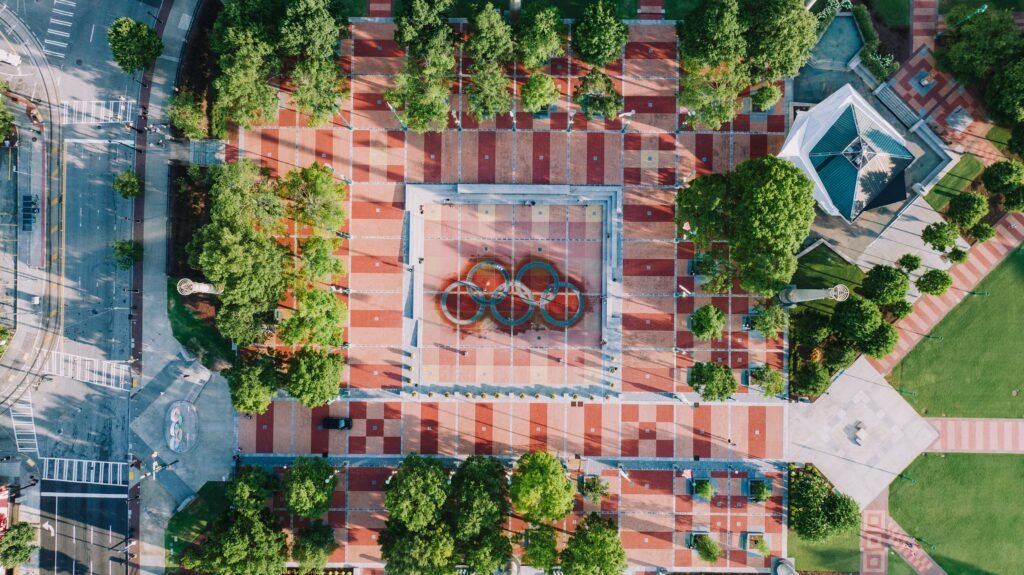
Every host city promises transformation, yet the record suggests the best investment in sports infrastructure is rarely the stadium itself. Olympic budgets routinely overrun, and the venues that pay off are those with a credible plan for the decades after the closing ceremony.
A Massive Investment With an Uncertain Return
Hosting the Olympic Games is often presented as a golden economic opportunity for host cities, promising tourism, infrastructure development, and global prestige. The reality, according to decades of economic research, is far more mixed.
The Upfront Costs Are Enormous
Building or upgrading stadiums, transportation networks, athlete housing, and security infrastructure typically costs host cities billions of dollars. Historically, most Olympic Games have significantly exceeded their original budgets, sometimes by several multiples, placing substantial financial strain on host governments.
Tourism Revenue Rarely Covers the Bill
While the Games do bring a temporary surge of visitors and global media attention, this tourism boost is typically short-lived and often fails to offset the enormous construction and operational costs involved in hosting. Many economists have found little evidence of a lasting “Olympic tourism boost” in the years following the Games.
The “White Elephant” Problem
Purpose-built venues, particularly for niche sports with limited local demand after the Games end, often become expensive to maintain and difficult to repurpose, becoming costly liabilities rather than lasting community assets. Several past host cities have struggled for years with unused, decaying Olympic venues.
When Hosting Does Pay Off
Cities that successfully integrate Olympic infrastructure into long-term urban development plans, using new transit lines, housing, and venues for ongoing public use, tend to see better long-term outcomes than cities that build purely for the Games and let infrastructure sit idle afterward.
Why Cities Keep Bidding Anyway
Despite the mixed financial track record, cities continue pursuing Olympic hosting rights for reasons beyond pure economics, global prestige, accelerated infrastructure investment that might otherwise face political delays, and a boost to civic identity and national pride.
The Investor’s Takeaway
The Olympics offer a valuable lesson for any investor: prestige and headline attention don’t automatically translate into strong financial returns. Real due diligence on costs, realistic revenue projections, and long-term utility matters far more than excitement alone, whether you’re evaluating a city’s Olympic bid or your own next investment.
What Counts as the Best Investment in Sports Infrastructure?
Cities that profit tend to reuse existing venues, prioritise transport and housing that residents keep using, and avoid single-purpose stadiums with no long-term tenant. Barcelona is the standard example of regeneration done well; several later hosts illustrate the opposite. Official cost and legacy reporting for each Games is published by the International Olympic Committee.
Leave a Reply