
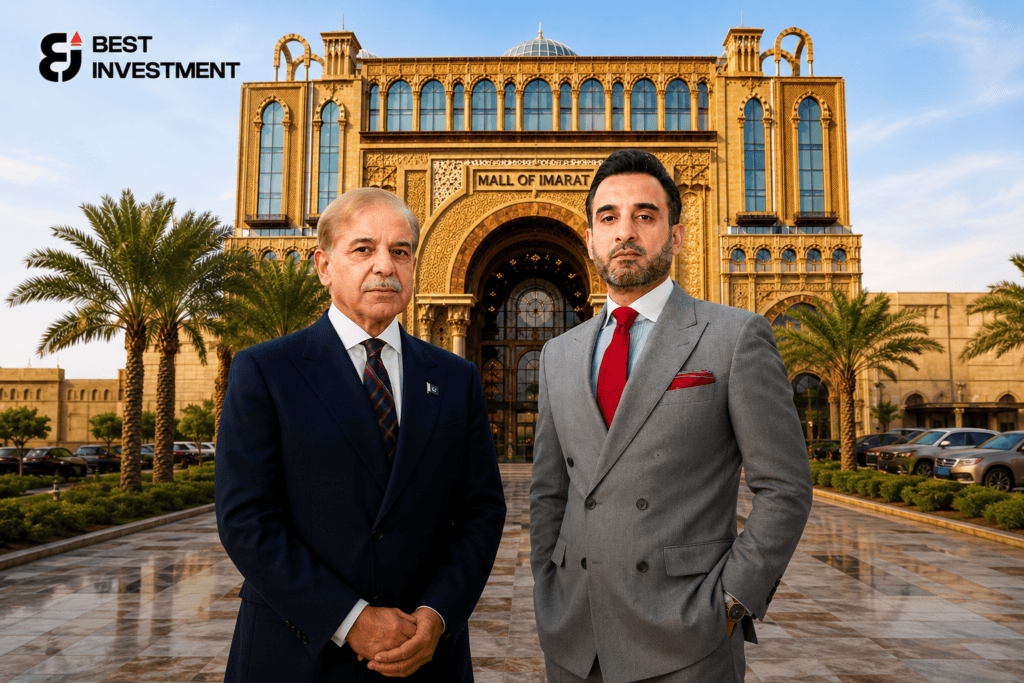
Prime Minister Muhammad Shehbaz Sharif chaired an important review meeting in Islamabad to assess the progress of the PM Apna Ghar Scheme, Pakistan’s flagship housing finance initiative. The meeting focused on financing performance, disbursement speed, and the road ahead for a program that is quickly becoming one of the most talked-about topics for anyone searching for the best investment opportunities in Pakistan in 2026. Housing has always been one of the most reliable ways to build long-term wealth, and this update shows just how fast that opportunity is expanding.
Inside the Review Meeting
During the session, officials shared that participating banks have already approved PKR 204 billion in financing under the Apna Ghar Scheme, while PKR 27 billion has already been disbursed to eligible applicants across the country. These figures show that the program has moved well beyond the planning stage and is now delivering real, measurable results on the ground. For a housing initiative of this scale, such rapid disbursement is a strong signal of momentum, and it is one of the main reasons analysts increasingly view government-backed housing finance as a best investment avenue for everyday Pakistanis.
Who Attended the Meeting
The review meeting was attended by senior federal ministers responsible for finance, economic affairs, and housing, underlining how seriously the government is treating this program. Alongside these officials, IMARAT Group Chairman Shafiq Akbar was also present, representing one of Pakistan’s most prominent private real estate developers. IMARAT Group is best known for large-scale projects such as the Mall of Imarat in Islamabad, and its presence at a high-level government meeting highlights the growing partnership between public housing policy and private real estate expertise.
Why IMARAT Group’s Presence Matters
When a leading private developer like IMARAT Group is invited to sit alongside federal ministers during a housing policy review, it usually signals something bigger than a single meeting. It suggests that the public and private sectors are aligning their strategies, combining government financing support with private sector construction expertise and market knowledge. For anyone tracking the best investment options in Pakistan, this kind of collaboration is often an early indicator of where future infrastructure, property demand, and long-term value are likely to concentrate.
Why Housing Finance Is Increasingly Seen as the Best Investment
Renting a home is a recurring cost that never builds equity, no matter how many years someone pays it. In contrast, buying a home through a subsidized housing finance scheme allows a family to build an asset over time, while property values in Pakistan have historically trended upward over the long run. With PKR 204 billion already approved and PKR 27 billion disbursed, thousands of families are now gaining access to financing that functions less like a bill and more like a long-term investment plan. This is precisely why financial commentators keep returning to the phrase best investment whenever the Apna Ghar Scheme comes up in conversation.
What This Means for Investors and Home Buyers
Whether someone is a first-time buyer hoping to secure a home, or an investor deciding where to allocate capital, this update sends a clear message: pay close attention to government-backed housing finance programs and to major developers such as IMARAT Group. Together, these two forces are shaping the next phase of Pakistan’s property market, reinforcing real estate as one of the best investment destinations available in the country today.
Final Thoughts
The review meeting led by Prime Minister Shehbaz Sharif, together with the participation of a major private developer like IMARAT Group, shows that Pakistan’s housing and real estate sector is advancing with genuine momentum rather than just policy promises. For anyone searching online right now for the best investment option in Pakistan, the combination of affordable, government-backed housing finance and quality private development is one of the strongest and most trackable trends heading into the rest of 2026.
Leave a Reply